Driving a truck with a flatbed semi-trailer is a unique and challenging task that requires a high level of skill, knowledge, and experience. As a supplier of flatbed semi-trailers, I’ve had the privilege of interacting with numerous drivers and understanding the ins and outs of this specialized form of transportation. In this blog, I’ll share some of the best practices for driving a truck with a flatbed semi-trailer, based on industry knowledge and feedback from seasoned drivers. Flatbed Semi Trailer

Pre-Trip Inspection
Before hitting the road, a thorough pre-trip inspection is crucial. This not only ensures your safety but also the safety of other road users. Start by checking the trailer itself. Inspect the frame for any signs of damage, such as cracks or bends. Look at the tires, ensuring they are properly inflated and have sufficient tread depth. Uneven tire wear can indicate alignment issues, which should be addressed before driving.
Next, examine the coupling mechanism between the truck and the trailer. Make sure the fifth wheel is properly engaged and locked. Check the air lines and electrical connections to ensure they are secure and functioning correctly. A loose or damaged connection can lead to brake failure or loss of lighting, which are serious safety hazards.
Inspect the load as well. Ensure that it is properly secured with appropriate tie-downs. For flatbed trailers, the load is exposed, so it’s essential to prevent shifting during transit. Use chains, straps, or other securing devices according to the type and weight of the load. Make sure the load is evenly distributed across the trailer to maintain balance.
Loading and Securing the Load
Loading a flatbed semi-trailer requires careful planning. First, understand the weight limits of your trailer and truck combination. Overloading can not only damage the vehicle but also lead to legal issues. When loading, start by placing the heaviest items at the bottom and towards the front of the trailer. This helps to keep the center of gravity low and forward, improving stability.
Use proper loading equipment, such as forklifts or cranes, to safely place the load on the trailer. Once the load is in place, secure it using the appropriate tie-downs. For most loads, a minimum of two tie-downs per ten feet of length is recommended, but this can vary depending on the type of load and local regulations.
When using chains, make sure they are in good condition and properly tensioned. Straps should be tightened to prevent any movement. Use corner protectors to prevent the load from cutting through the straps or chains. Additionally, consider using dunnage, such as wooden blocks or pallets, to create a stable base for the load and prevent it from sliding.
Driving Techniques
When driving a truck with a flatbed semi-trailer, it’s important to adjust your driving style. The longer and heavier the combination, the more time it takes to stop and maneuver. Increase your following distance to at least four seconds, especially in adverse weather conditions or when carrying a heavy load.
Take turns slowly and wide. The trailer will follow a different path than the truck, so you need to give it enough space to turn safely. When backing up, use a spotter if possible. Communicate clearly with the spotter using hand signals or a two-way radio.
Be aware of your surroundings at all times. Flatbed trailers have a large blind spot, so use your mirrors frequently and check your blind spots before changing lanes or making a turn. When passing other vehicles, give them plenty of space and make sure you have enough room to complete the pass safely.
Weather Considerations
Weather can have a significant impact on driving a flatbed semi-trailer. In rainy or snowy conditions, the road surface becomes slippery, reducing traction. Slow down and increase your following distance. Be extra cautious when braking and accelerating to avoid skidding.
In windy conditions, the flatbed trailer can act like a sail, making it difficult to control the vehicle. If the wind is strong, reduce your speed and be prepared for sudden gusts. If possible, avoid driving in high winds, especially if the load is light or tall.
During hot weather, check your tires more frequently for proper inflation. Heat can cause the air in the tires to expand, leading to overinflation. Also, be aware of the potential for heat-related fatigue, especially if you’re driving for long periods. Take regular breaks and stay hydrated.
Maintenance and Repairs
Regular maintenance is essential for the safe operation of a truck with a flatbed semi-trailer. Follow the manufacturer’s recommended maintenance schedule for both the truck and the trailer. This includes oil changes, tire rotations, brake inspections, and other routine maintenance tasks.
Keep a well-stocked tool kit on board for minor repairs. However, for major repairs, it’s best to take the vehicle to a qualified mechanic. Regularly inspect the trailer for any signs of wear and tear, such as rust, loose bolts, or damaged parts. Address any issues promptly to prevent further damage and ensure the safety of the vehicle.
Safety Regulations and Compliance
Familiarize yourself with all the safety regulations and compliance requirements for driving a flatbed semi-trailer. This includes federal, state, and local regulations regarding load securement, vehicle weight limits, and driver hours of service. Failure to comply with these regulations can result in fines, penalties, and even the suspension of your commercial driver’s license.
Keep all the necessary documentation on board, such as your driver’s license, registration, insurance, and load manifests. Make sure your vehicle is properly marked with the required safety information, such as reflective tape and hazard signs.
Training and Education
Continuous training and education are essential for drivers of flatbed semi-trailers. Consider taking advanced driving courses that focus on the unique challenges of driving this type of vehicle. These courses can provide valuable insights into load securement, driving techniques, and safety procedures.
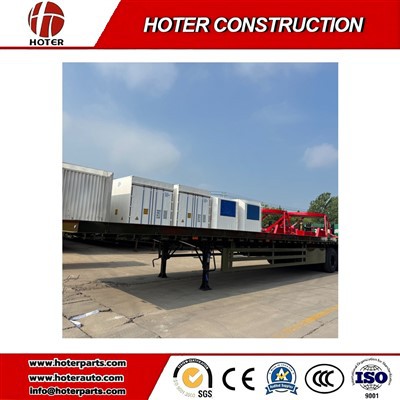
Stay updated on the latest industry news and best practices. Join professional organizations or online forums where you can interact with other drivers and share experiences. By staying informed and continuously learning, you can improve your skills and ensure the safe operation of your vehicle.
Conclusion
Brake Drum and Hub Driving a truck with a flatbed semi-trailer is a demanding but rewarding profession. By following these best practices, you can enhance your safety on the road and ensure the efficient transportation of your loads. As a flatbed semi-trailer supplier, I understand the importance of providing high-quality trailers that meet the needs of drivers. If you’re in the market for a flatbed semi-trailer, I encourage you to reach out to discuss your requirements. We can provide you with a trailer that is not only reliable but also meets all the necessary safety standards.
References
- Commercial Vehicle Safety Alliance (CVSA). "CVSA North American Standard Out-of-Service Criteria."
- Federal Motor Carrier Safety Administration (FMCSA). "FMCSA Regulations and Guidance."
- Truckload Carriers Association (TCA). "TCA Best Practices for Flatbed Trucking."
Zhangzhou Hoter Construction Machinery and Parts Co., Ltd.
As one of the most professional flatbed semi trailer manufacturers and suppliers in China, we’re featured by quality products and good price. Please rest assured to wholesale high-grade flatbed semi trailer for sale here from our factory. Contact us for more details.
Address: No. 3/4-41, Ziwei Road, Longhai, Zhangzhou city, Fujian province, China
E-mail: info@hoterparts.com
WebSite: https://www.hoterparts.com/
