Hey there! I’m a supplier of piston seals. Today, I wanna chat about how temperature can mess with piston seal performance. Piston Seal
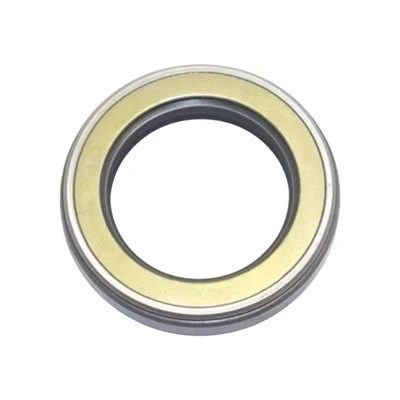
Basics of Piston Seals
First off, let’s quickly go over what piston seals are. They’re pretty important components in lots of hydraulic and pneumatic systems. Their main job is to stop fluid or gas from leaking between the piston and the cylinder wall. They ensure that the pressure in the system is maintained, and the whole setup works as it should. You can find these seals in all sorts of stuff, like construction equipment, automotive engines, and even in some household appliances.
Temperature and Material Properties
The materials that piston seals are made from are super crucial, and temperature has a huge impact on them. Most piston seals are made from elastomers like rubber or synthetic polymers. When it gets really hot, these materials start to change. The heat can cause them to lose their elasticity. You know how a rubber band gets floppy when you heat it up? It’s kind of the same thing with piston seals. They become less able to bounce back into shape after being compressed by the piston.
On the flip side, when it’s cold, these materials become stiffer. Think of a rubber band in the freezer – it becomes really hard and brittle. For piston seals, this means they’re less flexible and can crack more easily. And when there are cracks in a seal, well, that’s bad news because it allows fluid or gas to leak.
Effects of High Temperatures
High temperatures can cause a few major issues for piston seals. One of the big ones is oxidation. Oxidation is like rust for rubber. As the temperature rises, the oxygen in the air reacts with the seal material. This makes the seal harden and crack. Once it starts to crack, the seal is no longer doing its job properly, and you’ll start to see leaks.
Another problem with high temperatures is swelling. Some seal materials can absorb the fluids in the system when they get hot. This can make the seal expand, which sounds good at first. But if it expands too much, it can rub against the cylinder wall too hard. This extra friction can wear out the seal even faster. And as the seal wears, it loses its ability to keep things sealed, and you guessed it – more leaks.
Issues in Low Temperatures
Low temperatures are just as much of a headache. As I mentioned earlier, the stiffness caused by cold can lead to cracking. When a seal cracks, it loses its integrity, and the hydraulic or pneumatic system can start to malfunction. Even if the seal doesn’t crack right away, the reduced flexibility can make it more difficult for the piston to move smoothly. This can cause extra wear and tear on other parts of the system, like the piston itself and the cylinder wall.
In some extreme cold environments, the seal can become so rigid that it can’t even form a proper seal anymore. This leads to a decrease in system efficiency because the pressure can’t be maintained as effectively. And if you’re using the equipment in a critical operation, like in a medical device or an aerospace application, that’s a huge problem.
Impact on Seal Life
Temperature has a direct impact on how long a piston seal lasts. In normal operating conditions, a piston seal can have a decent lifespan. But when you throw extreme temperatures into the mix, things change quickly. High temperatures speed up the wear and tear process. The oxidation, swelling, and increased friction all contribute to the seal breaking down faster.
Low temperatures also reduce the seal’s lifespan, mainly because of the cracking and reduced flexibility. When you factor in that repairing or replacing a seal can be a hassle and can cost a fair amount of money, it’s clear that temperature management is really important.
Design Considerations for Different Temperatures
As a piston seal supplier, I know that we need to design seals that can handle different temperature ranges. For high – temperature applications, we choose materials that are more resistant to oxidation and heat. Some seals are made with special additives that can slow down the oxidation process. We also design the seals to have a better fit and to reduce the amount of friction, even when they’re hot and might be prone to swelling.
For low – temperature applications, we use materials that stay flexible in the cold. There are some synthetic polymers that are specifically formulated to have good low – temperature performance. We also pay attention to the shape and size of the seal to make sure it can still form a proper seal even when it’s a bit stiffer.
Testing in Different Temperature Conditions
Before we send out our piston seals to customers, we test them in different temperature conditions. We have special test chambers where we can simulate both hot and cold environments. We put the seals through a bunch of cycles to see how they hold up. We check for things like leaks, changes in hardness, and signs of wear. This way, we can make sure that the seals we’re selling are up to the task, no matter what temperature they’ll be operating in.
Importance for End-Users
If you’re an end – user, understanding how temperature affects piston seals is really important. You can take steps to protect your equipment. For example, if you’re using machinery in a hot environment, you can make sure it has proper cooling systems. This can help keep the seal temperature down and extend its lifespan.
In a cold environment, you might need to pre – heat the equipment before you start using it. This can help the seals become more flexible and form a better seal right from the start. And if you notice any signs of seal failure, like leaks or reduced system performance, it’s a good idea to replace the seal as soon as possible to avoid more serious problems down the line.
Why Choose Our Piston Seals
At our company, we’ve been in the piston seal game for a long time. We know how temperature affects seal performance, and we’ve put a lot of effort into developing seals that can handle a wide range of temperatures. Our seals are made from high – quality materials, and we have strict quality control measures in place. Whether you’re working in a super – hot industrial environment or a freezing cold outdoor application, we’ve got a seal that can work for you.
O Ring If you’re looking for reliable piston seals that can stand up to the temperature challenges in your application, we’d love to hear from you. Just reach out and we can start chatting about your specific needs. We’ll work with you to find the best seal solution for your equipment. Let’s get your systems running smoothly and efficiently!
References
- "Seals and Sealing Handbook" by John H. Birkle
- "Rubber Technology: Compounding, Testing, and Applications" by Michael Morton
- Technical articles from the American Society of Mechanical Engineers (ASME)
Hebei Jinwo Machinery Technology Co., Ltd.
Hebei Jinwo Machinery Technology Co., Ltd. is one of the most professional piston seal manufacturers and suppliers in China, featured by quality products and good price. Welcome to buy bulk advanced piston seal in stock here and get pricelist from our factory. We also accept customized orders.
Address: Room 2109, Tower A, Meidong International, No.16 Guang’an Avenue, Chang’an District, Shijiazhuang City, Hebei Province, China
E-mail: info@jinwoseal.com
WebSite: https://www.jinwoseal.com/
