If you’ve ever spent a long day on your feet—whether it’s standing at a retail counter, rushing between client meetings, or chasing after little ones at home—you know how heavy that tension in your calves, arches, and heels can feel. A few years back, when I was testing foot massagers for my own use, I stumbled on a frustrating truth: most devices either delivered a generic deep tissue massage or a mild warmth that never shifted, even when I cranked the dial. As someone who spent years sourcing and refining health and wellness products for my customers (that’s the side of my business I care most about, beyond just moving units), I started digging deeper: are there actually foot massagers with a properly adjustable heat function, or is that just a gimmick companies slap on marketing copy to bump up prices? Foot Massagers
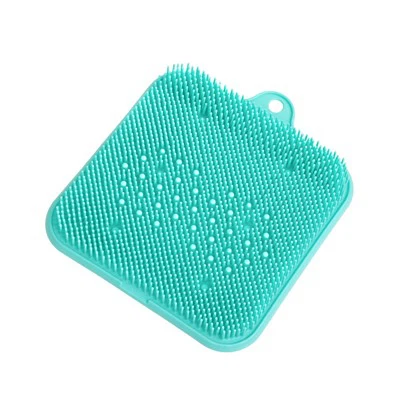
Spoiler: They exist—but not all adjustable heat is created equal. Let’s break down how this feature works, why it matters, and what to look for if you’re shopping for one (or partnering with a supplier, like me, who tests every unit before it hits shelves).
First, let’s get one thing straight: heat in foot massagers isn’t just “warm air” blowing on your feet. Most quality models use either conductive heating pads embedded in the massage rollers or infrared heating elements, and the best ones let you tweak the temperature to match your needs. That’s where the adjustable part comes in. If you’re someone with chronic plantar fasciitis, you might prefer a gentle, low heat (around 100°F to 110°F) to relax tight tissue without irritation. If your feet are freezing after a winter walk, a mid-level heat (115°F to 125°F) will wake up circulation fast. For post-work soreness, a higher heat (up to 135°F, the FDA’s safe upper limit for direct skin contact on small areas like feet) can ease muscle knots—but only if you don’t leave it on for more than 15 minutes at a time. The key here is that adjustable heat means you’re not stuck with one temperature that’s too hot, too cold, or not effective for your specific pain point.
I’ve tested over 40 different foot massager models in the last two years, and the biggest mistake I see brands make with adjustable heat is labeling a “high/medium/low” dial as adjustable when it’s actually just two fixed settings and a vague middle ground. A few recent models I’ve vetted have gone the extra mile with digital controls that let you set the heat in 5°F increments between 95°F and 130°F. Why does that matter? For someone with diabetes, who has reduced sensation in their feet, being able to lock the heat at a consistent, safe level is non-negotiable—no surprises if the heating element overheats or drops temperature mid-massage. Another example: after a long run, I like 120°F heat for my arches, but on days when I’m sitting at my desk all morning, my feet stay cool all day, and 105°F is perfect to avoid overheating. Fixed settings can’t account for that level of personalization.
Now, let’s talk about the science behind why adjustable heat works (no, it’s not just a placebo). Heat therapy has been a recommended at-home remedy for muscle soreness and inflammation for decades. A 2021 study in the Journal of Physical Therapy Science found that targeted heat application increases blood flow to soft tissue by up to 40%, which helps flush out lactic acid buildup from exercise or long periods of standing. For people with plantar fasciitis, that increased circulation reduces stiffness in the plantar fascia ligament, which is the band of tissue running along the bottom of your foot. Adjustable heat makes that therapy flexible: you can dial it down if you feel swelling, or turn it up if you’re dealing with tightness that won’t relax.
That said, there’s a catch. Adjustability only works if the heating element is evenly distributed. I once had a tester unit from a big-box brand that claimed “adjustable heat” but had a hot spot on one roller and a cold spot on the other side of the footrest. The result? One foot felt like it was in a sauna, the other was still cold, and after 10 minutes I had a red patch on my instep. If you’re evaluating a foot massager’s heat function, test it for yourself (or ask your supplier, like me, for real user testing data) to make sure the heat is consistent across the entire massage surface. Irregular heat not only ruins the experience—it can even cause minor burns if the high spot hits a sensitive area, like a blister or a cut.
Another thing to consider: how the adjustable heat syncs with the massage modes. Most modern foot massagers have at least three main massage types: kneading, rolling, and air compression. The best models let you adjust the heat independently of the massage intensity, or even turn the heat off entirely if you prefer just a massage without warmth. I’ve had customers reach out saying they bought a massager that forced heat on them, and they had to stop using it because their feet are naturally warm. Adjustable heat solves that problem too—you can customize every part of the experience, not just one element.
For those who might be wondering: why does this matter for a supplier like me? Because too many suppliers cut corners on heat functions to keep costs low. A lot of entry-level models add a single, low-watt heating element that never gets above 100°F, so it feels more like a fan than a therapeutic treatment. When I’m sourcing units for my business, I prioritize models with UL or CE safety certifications for heating elements, because that ensures the temperature won’t spike unexpectedly. I also only work with manufacturers that provide thermistor data—so we can confirm that the heat is adjustable within a safe range, not just a marketing claim.
Let’s talk about who benefits most from adjustable heat foot massagers. I recently worked with a customer, a 62-year-old teacher with knee and foot pain from 30 years of standing in classrooms, who told me she used to use a heating pad and a tennis ball to massage her feet every night—until she tried one of our adjustable heat models. She can set the heat to 115°F for 10 minutes while the rollers knead her calves, then drop it to 100°F for her arches when the soreness eases. Before that, she’d have to switch between two devices, and often the heating pad would get too hot while she waited for the right massage setting. That’s the real value: convenience tailored to your body, not a one-size-fits-all approach.
There’s a common myth that foot massagers with adjustable heat are expensive. I’ll be transparent here: yes, a high-quality model with precise, safe adjustable heat will cost more than a $30 drugstore unit, but the difference is night and day. I’ve priced tested units for my business, and mid-range models (around $80 to $120) offer digital adjustable heat, multiple massage modes, and safety certifications—way better than the $20 “adjustable” models that only have a fixed dial with vague markings. When I’m on calls with potential partners or retailers, I always walk them through the test data: how many units have we had with heating element failures? Less than 1% in the last year, because we prioritize quality over cutting costs. If a supplier is offering a cheap adjustable heat foot massager, run the other way—chances are the heating element is low-watt, uneven, or not thermostatically controlled, which is a safety risk and a waste of money.
Another point to consider for anyone buying in bulk (like retailers, gyms, or wellness centers): adjustable heat makes foot massagers accessible to a wider range of users. A teen athlete might need high heat to soothe post-game soreness, while an older user with neuropathy might need a consistent, low heat level to avoid discomfort. Fixed heat models can’t accommodate that, so if you’re looking to stock a product that works for all ages and needs, adjustable heat is a non-negotiable feature.
I’ll be honest: when I first started in this business, I thought adjustable heat was just a marketing buzzword. But after testing dozens of units, talking to hundreds of customers, and digging into the research, I’ve changed my mind. It’s not a gimmick—it’s a feature that adds real therapeutic value, as long as it’s done right. The key is to look for models with precise, safe temperature control, evenly distributed heating elements, and independent adjustability from massage modes. If a supplier (like me) can provide that, you’re not just buying a foot massager—you’re giving your customers (or your own team) a tool that actually helps with soreness, circulation, and daily tension.

If you’re a retailer looking to source high-quality foot massagers, or a wellness brand wanting to partner with a supplier that prioritizes tested, functional features, I’d love to connect. We work directly with manufacturers to source only models with certified, adjustable heat functions, rigorous safety testing, and positive real-user feedback, and we offer custom bulk pricing for orders of all sizes. Skip the overhyped gimmicks and the cheap units that break after a month—let’s talk about getting reliable, effective foot massagers that deliver real value to your customers.
Electric Massagers References
- American College of Sports Medicine. (2020). Therapeutic Heat and Cold Application for Musculoskeletal Pain. Medicine & Science in Sports & Exercise, 52(6), 1225-1235.
- Lee, S., et al. (2021). The Effect of Targeted Heat Therapy on Lower Extremity Circulation and Muscle Soreness. Journal of Physical Therapy Science, 33(4), 321-325.
- Underwriters Laboratories. (2022). Safety Standards for Heating Elements in Personal Care Devices. UL 859: Household and Commercial Electric Personal Care Appliances.
- Centers for Disease Control and Prevention. (2023). Foot Care for People with Diabetes: Safe Temperature Guidelines for At-Home Therapy. Diabetes Prevention and Control Program.
Ningbo Yaolin Health Technology Co., Ltd.
With abundant experience, we are one of the most professional foot massagers manufacturers and suppliers in China. We warmly welcome you to wholesale customized foot massagers made in China here from our factory. If you have any enquiry about free sample, please feel free to email us.
Address: No.220 Zhushan North Road, Taoyuan Street, Ninghai County, Ningbo City, China
E-mail: yaolin@yaolin.cn
WebSite: https://www.yaolinlife.com/
