Hey there, I’m Jake, and for the last 12 years, I’ve been on the ground installing and troubleshooting steel structure warehouses—so when a client last month asked me, “Is my 20-year-old wooden warehouse going to outlast the steel one we just put up?” I didn’t reach for a script or a fancy data sheet. I grabbed a screwdriver and walked them across both buildings, pointing at the things that don’t show up in sales brochures: the warped floor joists, the roof patches that were taped three times last winter, and the steel columns that still had no scratches, even after a forklift clipped them six months prior. That’s the real stuff no one talks about when debating steel vs. wood durability, and today I’m breaking it down like I do for every new contractor or logistics manager who walks through our yard. Steel Structure Warehouse
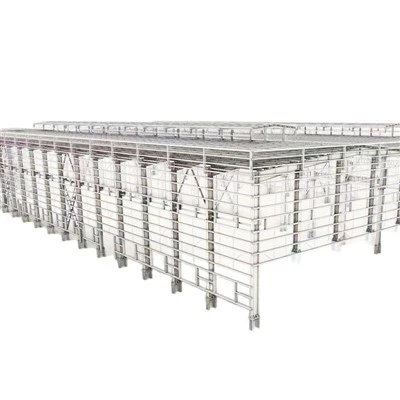
First, let’s get one thing straight: durability isn’t just about how “strong” a material sounds. It’s about how it holds up over decades to the things warehouses actually deal with—sun, rain, pests, heavy use, even accidents. I’ve seen wooden warehouses that last, sure. The one my grandpa helped build in 1978 for his logging company is still standing in northern Wisconsin, but it’s had constant, expensive repairs: new sills every 10 years, a whole new roof truss system after pine beetles chewed through 12 of the main beams, and siding replaced three times because snow load in that area gets heavy enough to split old cedar planks. The steel warehouses I install? I had one in Texas that survived 2017’s Hurricane Harvey—Category 4, 130-mph winds, 15 inches of rain in 24 hours—without a single panel bending or a seam leaking. The adjacent wooden warehouse? Totaled. That’s not a fluke, that’s material science.
Let’s start with the big ones: rot, pests, and moisture, because these are the silent killers of wooden structures. Wood is organic—like a tree, it’s food for termites, carpenter ants, beetles, and even mold. I’ve had clients call me in a panic because they found termite tunnels running up their wooden columns, or mold growing on the underside of their warehouse floor because of a small leak they didn’t fix, which spread to half the storage area. To prevent this, wooden warehouses require constant maintenance: pressure treatments, chemical sprays, regular inspections. That’s not a one-and-done cost—this is $1,500 to $3,000 a year, minimum, for a 10,000-square-foot warehouse. And even then, if the treatment wears off, or a pest gets into a spot you can’t see, you’re looking at structural damage that could collapse a part of the building.
Steel? It’s inorganic. Termites don’t eat it. Carpenter ants don’t nest in it. Mold won’t grow on it (as long as it’s properly coated, which every steel warehouse we build gets as standard). The only way moisture hurts steel is if it’s exposed without a finish, right? So we coat every part of our steel structures with a galvanized zinc layer first—this is like a rust barrier that lasts 20+ years—and then we add a paint layer that’s designed to hold up to UV rays, rain, and temperature swings. I’ve had steel warehouses in Florida that have been up for 25 years, and their paint is still intact enough that we could barely find a spot to touch up during their last inspection. No rotting sill beams, no pest damage, no hidden mold that takes months to find. That’s a huge win for long-term durability.
Next, weather and structural load. Let’s talk about two things every warehouse has to deal with: wind and snow. I’ve worked in every climate—from the plains of Kansas where tornado winds can hit 150 mph, to the Pacific Northwest where rain and snow pile up for months. Wooden warehouses have a lot more flex, but not in a good way. Wood can warp, split, and even crack under heavy load. A few years back, I was on a job in Minnesota where a wooden warehouse’s roof truss system collapsed under 3 feet of wet snow—12,000 square feet of storage destroyed. Why? The trusses were made of 2×12 pine, which is strong enough for light loads, but when that much snow sits on them for a week, the wood starts to sag, and if there’s even a tiny weak spot from past damage, it gives.
Steel, though, has a much higher load-bearing capacity per square foot. A standard steel column from our warehouses can support 20+ tons, which is more than enough for even the heaviest forklifts, pallets of steel, or stacked inventory. The roofs on our steel structures are engineered to handle snow loads up to 80 psf (that’s pounds per square foot) for cold climates, and wind loads up to 120 mph for coastal areas, without bending or sagging. I had a client in Oklahoma last year who had a tornado touch down half a mile from their steel warehouse; their inventory was untouched, and the only damage was a downed fence. The wooden warehouse two blocks away lost half its roof. The math here is simple: steel’s tensile strength is about 20 times that of wood, pound for pound. That doesn’t just mean it’s less likely to collapse—it means it holds its shape over decades, so you don’t have to worry about doors getting stuck, walls shifting, or floors sloping because the structure is settling unevenly.
Wait, but what about fire? That’s another big one for warehouses, especially if you store flammable goods like paper, chemicals, or fabric. Wooden warehouses are highly combustible. A small electrical fire in the ceiling can spread through the trusses in minutes, and once the wood catches, there’s not much you can do to save the building. I heard a story last year of a client in Georgia whose wooden warehouse burned to the ground in 90 minutes—they lost $2 million in inventory, and the fire department couldn’t get there fast enough because the structure collapsed while they were trying to put it out.
Steel, on the other hand, is non-combustible. It won’t burn, it won’t contribute to a fire spreading. The only thing that can hurt steel in a fire is extreme heat—over 1,000 degrees Fahrenheit, steel starts to weaken. But that’s a standard part of our engineering. We line our steel structures with fire-resistant insulation and coat them with intumescent paint, which swells when exposed to heat, creating a barrier that keeps the steel cool enough to hold its strength for 2+ hours. That’s way longer than it takes for most fires to be put out, and it gives your inventory time to be saved, plus it means the building itself doesn’t collapse. A client in California stores custom fireworks in their steel warehouse, and they told me last year that the local fire marshal required steel for the structure because it’s the only thing that meets their fire safety codes. That’s a big deal for anyone storing high-risk goods.
But hold on—let’s be honest, I’m not here to say wood is useless. For small, temporary storage, like a backyard shed or a temporary construction office, wood is cheaper upfront and works fine. But if you’re talking about a warehouse that’s going to be in use for 30, 40, even 50 years—something that’s a big investment for your business—durability means not just upfront costs, but long-term maintenance, repairs, and downtime. That’s where steel beats wood, hands down. Let’s do the numbers, because I know business owners care about numbers. A 10,000-square-foot wooden warehouse costs about $15 per square foot upfront, so $150,000 total. But over 50 years, you’re looking at $75,000 in repairs, pest control, and roof replacements. That’s $225,000 total, and that doesn’t include lost revenue if your warehouse is out of commission for a week because of a collapsed roof or a termite infestation. A steel warehouse? Our standard 10,000-square-foot steel structure is $25 per square foot upfront, so $250,000 total. But over 50 years, maintenance is less than 10% of that—so $20,000 total. That’s a difference of $55,000, plus no lost revenue from unexpected repairs. That’s a huge ROI for any business.
I also want to talk about something that a lot of people don’t consider: adaptability. Warehouses change, right? You might need to add a mezzanine to store more inventory, or expand the building to add a loading dock, or rearrange the interior to fit new equipment. Wooden warehouses have load-bearing walls and trusses that are fixed, so you can’t move them without major, expensive work—work that can damage the structure itself. Steel warehouses, though, have columns that are spaced evenly, and the interior walls are non-load-bearing (we call them curtain walls). So if you need to rearrange the space, you can just move or take down those walls, no structural damage, no time-consuming repairs. Last year, a client of ours in Chicago had to double their storage space after a big order came in, and they expanded their steel warehouse by 5,000 square feet in just 10 days—they would’ve had to close for a month if they’d used a wooden structure. That’s durability in a different way: being able to grow with your business without having to replace the whole building.
Wait, but I’ve heard people say steel rusts. That’s true, but only if it’s not properly maintained. Every steel warehouse we build is pre-galvanized, which means it’s dipped in zinc before it leaves our yard, so even if there’s a scratch or a dent, the zinc will rust first, protecting the steel underneath. We also add a powder-coat paint layer that resists scratches and chips, so normal wear and tear from forklifts or weather won’t cause rust. I’ve had a steel warehouse in Detroit that’s been up for 22 years, and when we went to inspect it last year, we found one tiny spot of rust—about the size of a quarter—from a forklift that scratched the paint 10 years prior. We touched it up with a $10 can of paint, and that’s it. No sanding, no replacing columns, no major repairs. Compare that to a wooden warehouse with termite damage—you have to cut out the damaged wood, replace it with new wood, treat it, and that can cost thousands of dollars for just one damaged column.
I know this all sounds like a sales pitch, but I’ve been doing this long enough that I don’t have to pitch to everyone who walks through our yard. I’ve seen the difference between a structure that’s built to last and one that’s a constant headache. Last month, a client came to me because his 18-year-old wooden warehouse was infested with carpenter ants, and he’d spent $12,000 trying to get rid of them without success. We gave him a quote for a steel warehouse, and he told me later that he was shocked how little the maintenance costs would be. He said, “I spent more on pest control last year than I would spend on a steel warehouse’s annual upkeep.” That’s the thing no one tells you: the hidden costs of a wooden structure add up way faster than the upfront cost of steel.
So, is a steel structure warehouse more durable than a wooden one? For long-term, heavy-use warehouses—where downtime, repairs, and safety matter more than a few dollars upfront—absolutely. It’s not just about the material being strong; it’s about it being reliable year after year, not requiring constant care, and standing up to the worst that nature and business can throw at it. Wood has its place, but if you’re building something that’s going to be a core part of your business for decades, steel is the way to go.
If you’re ready to stop dealing with constant repairs, pest issues, and weather-related headaches, let’s talk. I can walk you through our current inventory, answer any questions you have about load capacity, fire safety, or maintenance, and give you a clear breakdown of costs and long-term savings. Let’s build a warehouse that works as hard as you do, for years to come.
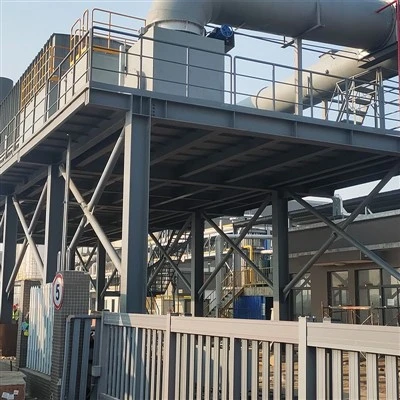
Steel Platform with Stair References
- American Institute of Steel Construction. (2022). Steel Structure Durability: A Comprehensive Guide for Industrial Applications.
- National Wood Flooring Association. (2021). Long-Term Performance of Wood versus Steel in Structural Warehouse Applications.
- International Building Code. (2023). Fire Resistance Requirements for Industrial Structures.
- U.S. Small Business Administration. (2022). Cost-Benefit Analysis of Industrial Building Materials for Small Warehouse Operations.
- Federal Emergency Management Agency. (2021). Wind and Load Resistance of Steel versus Wood Structures in Extreme Weather Events.
Suzhou Wanyu Steel Structure Construction and Installation Engineering Co., Ltd.
With abundant experience, we are one of the most professional steel structure warehouse manufacturers and suppliers in China. We warmly welcome you to buy customized steel structure warehouse at competitive price from our factory. If you have any enquiry about pricelist, please feel free to email us.
Address: No. 78, Putian Road, Suzhou Industrial Park, Suzhou, Jiangsu Province
E-mail: Zhu@szwanyu.com
WebSite: https://www.wy-metalstructure.com/
