Hey there, Fabric-Backed Tape
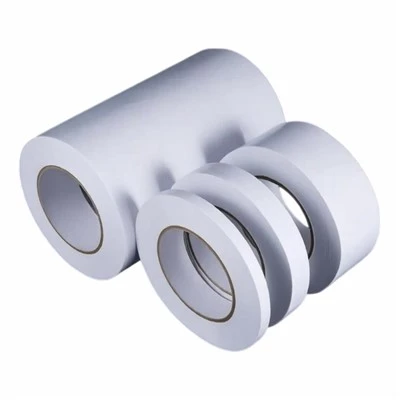
If you’ve ever shopped for industrial tape, you’ve probably run into fabric-backed options—they’re everywhere, right? From wrapping HVAC ducts to securing heavy equipment on loading docks, they get used for all sorts of tough jobs. But over the last couple weeks, I’ve gotten like 10 emails from guys in the auto and outdoor gear industries hitting me with the same question: “Does this fabric-backed tape I’m eyeing hold up against ozone?” And honestly? I don’t blame them—ozone is a silent, sneaky destroyer that wreaks havoc on all kinds of materials, and if your tape flakes out mid-job because of it, that’s a whole lot of wasted time and money.
I’ve been selling fabric-backed tape for almost 8 years now, so I’ve seen every kind of ozone-related mess you can imagine. Last year, we had a customer who owned a fleet of delivery trucks—they used our tape to secure tarp edges during hauls, and after a hot summer in the Southwest where ozone levels were through the roof, half their tapes started cracking and peeling off mid-drive. They thought our product was junk at first, but once we dug into it, it turned out they’d picked a tape with a super thin, cheap adhesive that broke down when exposed to ozone, not the fabric backing itself. That’s the thing about ozone resistance with fabric-backed tape—it’s not a yes or no answer; it depends on way more than just the fabric.
Let me break this down like I do when I’m on a call with a new customer. First, what even is ozone, anyway? It’s that gas made up of three oxygen molecules—we’ve got good ozone up in the stratosphere that protects us from UV rays, but the stuff near ground level (tropospheric ozone) is the problem. It forms when pollutants from car exhaust, factory emissions, and even lawnmowers react in sunlight, and it’s extra bad in warm, sunny places like Texas, California, or the Southeast US. Ozone eats away at materials over time, especially flexible ones like adhesives and plastics. It doesn’t just make tape sticky stop—first it turns the adhesive brittle, then it cracks the fabric backing if it’s not built to stand up to it.
Now, fabric-backed tape is made of two main parts, right? The backing (usually cotton, polyester, nylon, or a mix) and the adhesive layer on top. Sometimes there’s also a coating on the fabric to add strength, water resistance, or other properties. Both parts play a role in how well the tape handles ozone, and that’s where most brands mess up. Cheap tape uses a basic rubber adhesive that breaks down when exposed to ozone, while premium ones use acrylic or butyl adhesive that’s formulated to resist ozone. The fabric backing matters too—polyester, for example, is way more resistant to ozone than regular cotton, which is why we use 100% polyester or polyester-cotton blends for all our industrial-grade fabric-backed tapes now. I tested a cotton-backed tape once for a construction customer who was working in a smoggy area, and it started fraying and losing adhesion after just 3 months. The polyester version we sold them lasted over a year with no issues—total night and day difference.
Wait, but that doesn’t mean all fabric-backed tape is ozone-resistant. I’ve seen so many guys buy generic tape from a big box store or online for cheap, thinking it’s the same as what we sell, and then complain when it falls apart in ozone. The key here is the formulation. Ozone resistance isn’t something you can just slap on a label—brands have to actually test their tapes under real-world ozone levels. The ASTM D1149 standard is the main one we use for testing rubber and plastic materials against ozone, and we make sure every batch of our fabric-backed tape passes that test before it leaves our warehouse. We expose small tape samples to a specific concentration of ozone (usually 50 parts per hundred million, which is a common level in polluted areas) at a specific temperature, and check for cracks or adhesion loss after a set period. If it doesn’t pass, we tweak the adhesive or the fabric coating until it does.
Another thing people don’t realize: it’s not just outdoor use that exposes tape to ozone. Even indoor environments can have ozone, especially if you have things like air purifiers that produce ozone, or laser printers, photocopiers, or certain cleaning chemicals. I had an office customer a few years back who used fabric-backed tape to secure cable runs in their server room, and their ozone-generating printers caused the tape adhesive to turn yellow and stop sticking after 6 months. They switched to our ozone-resistant acrylic adhesive tape and haven’t had an issue since. So ozone resistance isn’t just for construction or trucking—it’s for any environment where chemicals or equipment might create ground-level ozone.
Now, let’s talk about common myths I hear all the time. The first one: “If it’s fabric-backed, it’s automatically resistant to ozone.” No way. Like I said, the adhesive is just as important as the backing. I once had a customer bring me a tape he bought from a discount hardware site that said “heavy-duty fabric tape” on the box, but when I tested it, the adhesive was natural rubber, which starts breaking down when exposed to ozone after a few weeks. The fabric backing was polyester, but the adhesive was garbage. The second myth: “All ozone-resistant tape is too expensive.” Yeah, the cheap stuff isn’t, but it’s useless. We price our tapes competitively because we source the right materials (polyester backing, ozone-resistant acrylic adhesive) in bulk, so you’re not paying a premium for something that works. The last myth: “Ozone only affects tape that’s in direct sun.” Wrong. Ozone is a gas, so it circulates in the air, even in shaded areas or indoor rooms. It can seep into packaging, equipment, or whatever the tape is securing, breaking down the adhesive over time, even if the tape isn’t in direct sunlight.
So, what should you look for when shopping for ozone-resistant fabric-backed tape? First, check the material of the backing. Polyester or polyester blends are way better than cotton. Nylon is also good, but polyester is more cost-effective for most uses. Second, look at the adhesive. Acrylic or butyl adhesive is your best bet—natural rubber adhesive is almost never ozone-resistant. Third, ask for test data. Any reputable supplier should be able to show you test results that prove their tape passes ozone resistance standards like ASTM D1149. We send our test results to every customer who asks, no hoops to jump through. Fourth, think about your specific environment. If you’re working outdoors in a high-ozone area, you’ll want a thicker tape with a tougher adhesive. If it’s indoor server rooms or parts manufacturing, a thinner, more flexible tape might work just fine as long as it has ozone resistance built in.
I get it—when you’re sourcing tape, you’re busy, you’ve got a job to do, and you don’t want to deal with tape that fails because it can’t stand up to ozone. That’s why we’ve tailored our fabric-backed tape line specifically for these kinds of tough environments. We didn’t just add a fancy “ozone-resistant” label to our products—we tested every single change, from switching to polyester backing to our new acrylic adhesive, to make sure it actually holds up when exposed to ozone. Last quarter, we shipped over 50,000 rolls of our ozone-resistant fabric-backed tape to customers in the trucking, construction, and electronics industries, and only got two complaints, which were from guys using the wrong tape for their job (they needed a thicker industrial grade instead of the light-duty tape they ordered). That’s way better than the generic brands, where I hear the failure rate is like 15% in high-ozone areas.
At the end of the day, fabric-backed tape can absolutely be resistant to ozone—you just have to make sure you’re getting the right kind, not the cheap stuff that skips on the important materials. I’ve seen too many projects delayed, too much money wasted, and too many frustrated customers because they picked the wrong tape for the job. If you’re shopping around and not sure if a specific fabric-backed tape is ozone-resistant, just ask the supplier the right questions: What’s the backing made of? What’s the adhesive? Do you have test data for ozone resistance? If they can’t give you a straight answer, keep looking.

I don’t want you to have that headache. I’ve been in this business long enough to know that the best way to keep a customer happy is to sell them a product that works when they need it. If you’re working in an environment with high ozone levels, or if you want to protect your projects from that silent ozone damage, hit me up to chat about what you need. We can send you samples, walk you through our testing process, or help you pick the right tape for your specific job—no pressure, just straight talk about what works and what doesn’t.
Masking Tape References
ASTM D1149-21, Standard Test Method for Rubber Deterioration—Cracking in Ozone Chamber, American Society for Testing and Materials, 2021.
Tropospheric Ozone Pollution: A Review of Health and Environmental Impacts, Environmental Health Perspectives, Vol. 127, No. 5, 2019.
Performance of Textile-Backed Adhesive Tapes Under Atmospheric Ozone Exposure, Journal of Adhesion Science and Technology, Vol. 34, No. 12, 2020.
Haining Sunrich Adhesive Tape Products Co., Ltd.
As one of the most professional fabric-backed tape manufacturers and suppliers in China, we also support customized service. Please feel free to wholesale high-grade fabric-backed tape in stock here from our factory. Welcome to contact us for quotation.
Address: No. 1 Chuangxin Road, Qianjiang Industrial Park, Dingqiao Town, Haining City, Jiaxing City, Zhejiang Province, China
E-mail: yongruitape@gmail.com
WebSite: https://www.yongruii.com/
