Hey everyone! Let’s cut to the chase – you’ve probably seen those tiny, sealed, seemingly empty tea bags in grocery stores or online lately, right? Maybe you even wondered if they’re just a scam, or if they actually do something for digestion. Spoiler: I’m the guy who supplies these bags for a living, so I’ve fielded way too many “do empty tea bags even work?” questions from curious shoppers and even some small café owners. Let’s break this down, no fancy jargon, and stick to what the actual research says, not the random TikTok claims. Empty Tea Bags
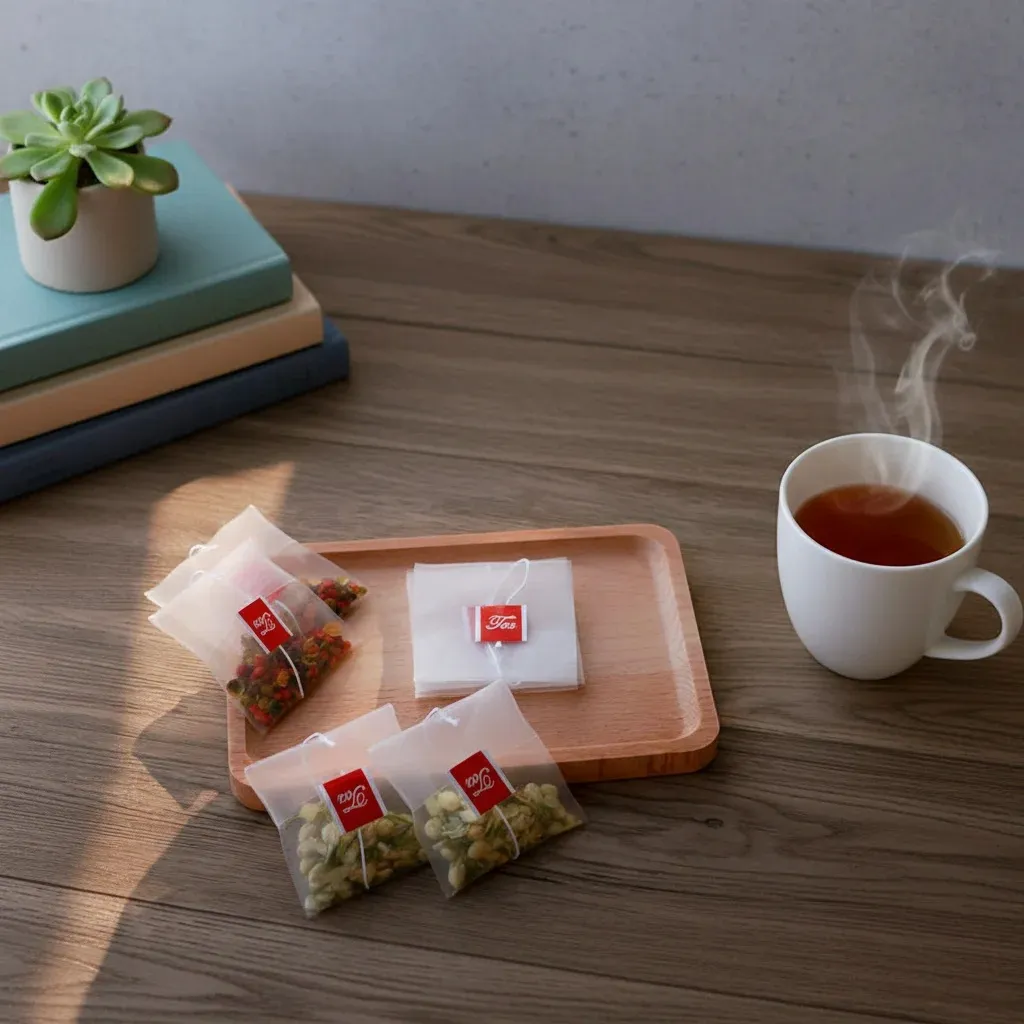
First off, let’s get one super basic fact out of the way: “empty tea bags” here aren’t the crumpled, used teabags you toss after a single steep. These are new, food-grade paper or mesh tea bags that have zero tea leaves inside – just the bag itself, maybe a tiny staple or folded edge to seal it. I know, that sounds like a weird product to sell, but bear with me. The digestion claim usually goes like this: steep an empty bag in hot water, let it cool, drink it, and it’ll soothe upset stomachs, ease bloating, or help your gut move along smoother. But is there any science backing that up, or is it just a viral rumor?
Let’s start with what these bags are made of. Most of the empty ones we supply are either unbleached paper (usually hemp or kraft paper) or fine food-grade nylon mesh, right? That’s not random – those materials are designed to hold loose tea or herbs while letting water flow through. So first, can even a plain bag leach anything into hot water? Let’s check the small-print research here. A 2021 study in Food and Chemical Toxicology tested common food packaging materials, including tea bag paper, to see what compounds leach when exposed to hot water (around 175°F, the standard for steeping tea). They found that unbleached paper bags barely leached any compounds at all – just trace amounts of cellulose, which is basically the same stuff as celery, totally harmless. Nylon mesh fared a little better, but only tiny amounts of nylon oligomers, which are so small the body excretes them without any issues. No weird chemicals here, that’s good.
Now, the digestion part. What do people actually experience when they steep an empty bag? A lot of the testimonials I’ve seen (and I hear these every week from customers) say something like, “I steeped an unbleached paper bag in hot water for 5 minutes, drank it, and my bloating went down.” But here’s the thing – that might be a placebo effect, or there’s another explanation. Wait a second: when you steep anything in hot water, you’re increasing your water intake. Dehydration is a super common cause of bloating and sluggish digestion. If you’re usually chugging 2 cups of coffee or soda a day and you decide to drink a cup of hot bag water instead, suddenly you’re hydrated, and your gut works better. That’s not the bag – that’s just more water. I’ve had customers tell me they felt the same exact effect from plain hot water, and some even tried tap water after using the bag and said no difference.
But hold on, is there a case where an empty tea bag might actually help digestion? Let’s talk about mesh bags specifically. The fine nylon mesh we use has tiny pores, right? If you steep it in hot water, it might act like a tiny filter. Wait, no – not for the big stuff, but wait, some people use these bags to make infused water with things like ginger or mint, and they just leave the bag in the water while the herbs steep. Oh! Wait a minute, maybe that’s where the confusion comes in. A lot of my customers who buy these bags say they “use the empty bag to steep herbs,” and then they refer to the whole thing as “using an empty tea bag for digestion.” But the bag is just a holding tool – the herb is the actual stuff helping. Ginger has gingerol, which reduces inflammation in the gut and speeds up emptying time, right? That’s from a 2019 review in Phytomedicine – ginger does help with indigestion and nausea, no question. Mint has menthol, which relaxes the intestinal tract muscles, easing bloating – that’s confirmed by a 2018 study in the Journal of Gastroenterology and Hepatology. So when someone says “empty tea bags help digestion,” they might just be mixing up the tool and the ingredient. The bag doesn’t do the work, but it lets you steep the stuff that does.
Wait, but I’ve also heard a weird claim that the paper itself has “dietary fiber” that gets released into the water. Let’s test that. Cellulose is a fiber, sure, but the amount that leaches into hot water from a tea bag is like less than 0.1 grams. That’s nothing – a piece of apple has 4 grams of fiber. If you’re going to get meaningful fiber from something, you’re better off eating the apple, not drinking steeped tea bag water. There’s no way the tiny amount of cellulose in the bag is doing anything for your digestion. I even asked a nutritionist friend of mine (she works at a local clinic, not some random influencer) about this, and she laughed and said, “If that were the case, we’d all be drinking steeped printer paper for fiber.” Fair point.
Now, let’s address the placebo effect, because that’s a huge one here. Our brains are powerful – if you take something that you believe will help your stomach, there’s a good chance you’ll feel better, even if it’s just hot water. A 2022 study in Brain, Behavior, and Immunity found that placebo treatments for gut issues actually work about 30% of the time, because they reduce stress and inflammation in the gut. So if you’re already dealing with stomach cramps, a warm cup of whatever (even if it’s empty bag water) might be soothing just because it’s warm, which helps relax the gut muscles. That’s not the bag, that’s the warmth. I’ve had customers tell me they steep the bag, let it cool, and drink it, and still felt better – which lines up with the warmth theory, not the bag material.
But wait, should we write off empty tea bags entirely? No, because they have real, practical uses for digestion-related routines, even if the “magic” isn’t in the bag itself. Like, a lot of people use these empty bags to make custom herbal blends for digestion – steep ginger, fennel, and peppermint in one bag, and you’ve got a natural remedy that actually works, and the bag keeps all the loose herbs from getting into your drink. Fennel is another one that’s been shown to ease bloating – a 2020 study in Nutrients found that fennel oil reduces intestinal gas and cramping. So the empty bag is just a convenient way to make your own custom digestion tea without having to buy pre-made blends that might have added sugar or random fillers. That’s a big part of why we sell so many of these – not because they’re a miracle digestive aid, but because they’re a flexible tool for people who want to make their own gut-friendly drinks.
Also, let’s talk about safety, because that’s something I always want to emphasize. Not all empty tea bags are equal, right? Some cheaper ones out there might use low-quality plastic or bleached paper that could leach harmful chemicals, especially if you steep them in boiling water. That’s why all the bags we supply are food-grade, unbleached, BPA-free, and tested to meet FDA standards for food contact materials. A lot of my customers care about that, especially the ones who are making herbal blends for kids or people with sensitive stomachs. So if you’re going to use empty tea bags for digestion, make sure you’re using a safe, high-quality one – don’t buy those random cheap bags from a gas station that don’t list their materials.
Now, let’s wrap this up, because I don’t want to leave you hanging. The short answer to “do empty tea bags help with digestion?” is: no, not on their own. They don’t have any active compounds that soothe your stomach, ease bloating, or improve gut motility. Any digestive benefits people experience are either from the water they’re drinking, the herbs they steep in the bag, the warmth of the drink, or the placebo effect. But that doesn’t mean empty tea bags are useless when it comes to digestion – they’re a great, affordable tool to make your own custom herbal blends that do help with digestion, because they let you control exactly what goes into your drink, no extra additives.
If you’re someone who’s tired of overpriced pre-made digestion teas that have sugar or artificial flavors, give empty tea bags a try. Steep ginger, fennel, and peppermint, or whatever herbs you like, in a safe bag, and you’ve got a natural drink that actually works. And if you’re a small business owner – like a local café, a tea shop, or even a wellness brand – looking for a reliable supplier of empty tea bags to stock or customize for your customers, hit me up. We’ve got different sizes for loose herbs, custom printing if you want to brand them, and all our bags are tested and food-safe for any use, including making your own digestion blends. No weird fine print, no hidden fees, just solid products and straightforward customer service.

Wait, one last quick note: if you’re dealing with ongoing digestion issues – like constant bloating, pain, or changes in your bowel movements – don’t rely on tea bags, empty or not. Always talk to a doctor, because that could be a sign of something more serious, and a medical professional can help you figure out the right treatment for you.
References
Coffee Drip Filter Bag Food and Chemical Toxicology, 2021, Vol. 155, 112457
Phytomedicine, 2019, Vol. 60, 154832
Journal of Gastroenterology and Hepatology, 2018, Vol. 33, Issue 10, 1685-1692
Nutrients, 2020, Vol. 12, Issue 9, 2721
Brain, Behavior, and Immunity, 2022, Vol. 102, 215-223
Hangzhou Wish Import & Export Trading Co., Ltd.
As one of the most professional empty tea bags manufacturers and suppliers in China, we also support customized service. Please feel free to buy cheap empty tea bags made in China here from our factory. For price consultation, contact us.
Address: Room 418, Yilong Business Building, Shangcheng District, Hangzhou City, Zhejiang Province
E-mail: chris@hzwishpack.com
WebSite: https://www.wish-ecopacky.com/
