As a supplier of fiber and color yarn, I’ve seen firsthand the growing demand for hypoallergenic products in the market. With more and more people suffering from allergies, it’s crucial that we, as yarn suppliers, take steps to make our fiber color yarn more hypoallergenic. In this blog, I’ll share some insights and strategies on how to achieve this goal. Fiber and Color Yarn
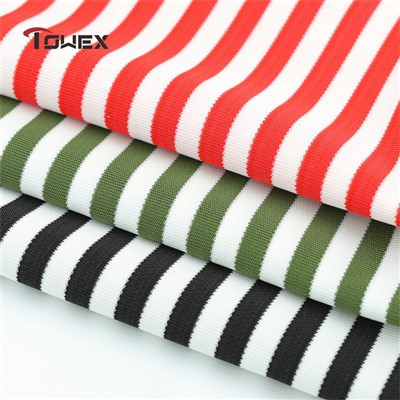
Understanding Allergies and Yarn
Before we delve into the ways to make fiber color yarn more hypoallergenic, it’s important to understand what causes allergies in the first place. Allergies occur when the immune system overreacts to a substance that is normally harmless. In the case of yarn, common allergens include certain fibers, dyes, and chemicals used in the manufacturing process.
- Fiber Allergens: Some natural fibers, such as wool, can cause allergic reactions in some people. Wool contains a protein called lanolin, which can be a trigger for allergic responses. Synthetic fibers, on the other hand, may also cause allergies due to the chemicals used in their production.
- Dye Allergens: Many dyes used in yarn production contain chemicals that can be allergenic. These include azo dyes, which have been linked to skin allergies, and heavy metals, such as lead and mercury, which can be toxic.
- Chemical Allergens: In addition to dyes, other chemicals used in the manufacturing process, such as sizing agents, softeners, and anti-static agents, can also cause allergic reactions.
Choosing Hypoallergenic Fibers
One of the most effective ways to make fiber color yarn more hypoallergenic is to choose hypoallergenic fibers. Here are some options to consider:
- Cotton: Cotton is a natural fiber that is widely used in yarn production. It is soft, breathable, and hypoallergenic, making it a great choice for people with sensitive skin. Organic cotton is even better, as it is grown without the use of pesticides and other chemicals.
- Bamboo: Bamboo is another natural fiber that is becoming increasingly popular in the yarn industry. It is soft, absorbent, and has natural antibacterial properties. Bamboo yarn is also hypoallergenic, making it a good choice for people with allergies.
- Silk: Silk is a luxurious natural fiber that is known for its softness and smoothness. It is hypoallergenic and gentle on the skin, making it a great choice for people with sensitive skin.
- Soybean Fiber: Soybean fiber is a relatively new fiber that is made from soybeans. It is soft, breathable, and hypoallergenic, making it a good alternative to traditional fibers.
Using Hypoallergenic Dyes
In addition to choosing hypoallergenic fibers, it’s also important to use hypoallergenic dyes. Here are some options to consider:
- Natural Dyes: Natural dyes are made from plants, animals, and minerals. They are free from synthetic chemicals and are generally considered to be hypoallergenic. Some common natural dyes include indigo, madder, and turmeric.
- Low-Impact Dyes: Low-impact dyes are a type of synthetic dye that is designed to have a minimal impact on the environment. They are also less likely to cause allergic reactions than traditional synthetic dyes.
- Allergen-Free Dyes: Some manufacturers offer allergen-free dyes that are specifically designed for people with allergies. These dyes are free from common allergens, such as azo dyes and heavy metals.
Minimizing Chemical Use
In addition to choosing hypoallergenic fibers and dyes, it’s also important to minimize the use of chemicals in the manufacturing process. Here are some ways to do this:
- Use Natural Finishing Agents: Instead of using synthetic sizing agents, softeners, and anti-static agents, consider using natural finishing agents, such as beeswax, lanolin, and coconut oil. These agents are gentle on the skin and are less likely to cause allergic reactions.
- Avoid Harsh Chemicals: Avoid using harsh chemicals, such as bleach, formaldehyde, and ammonia, in the manufacturing process. These chemicals can be toxic and can cause allergic reactions.
- Opt for Eco-Friendly Processes: Choose manufacturing processes that are eco-friendly and use less water and energy. This not only reduces the environmental impact of the production process but also minimizes the use of chemicals.
Testing and Certification
Once you have made your fiber color yarn more hypoallergenic, it’s important to test it to ensure that it meets the necessary standards. Here are some ways to do this:
- Allergy Testing: Conduct allergy testing on your yarn to determine if it is hypoallergenic. This can be done by having a small group of people with allergies test the yarn and report any allergic reactions.
- Certification: Consider getting your yarn certified by a third-party organization, such as Oeko-Tex or GOTS. These certifications indicate that your yarn has been tested and meets the necessary standards for hypoallergenicity.
Marketing and Communication
Finally, it’s important to market and communicate the hypoallergenic properties of your fiber color yarn to your customers. Here are some ways to do this:
- Product Labels: Include information about the hypoallergenic properties of your yarn on your product labels. This can help customers make informed decisions about which yarn to choose.
- Website and Social Media: Use your website and social media channels to promote the hypoallergenic properties of your yarn. You can share information about the fibers, dyes, and manufacturing processes used in your yarn, as well as customer testimonials and reviews.
- Customer Education: Educate your customers about the importance of choosing hypoallergenic yarn. You can provide information about allergies and how to choose the right yarn for their needs.
Conclusion
Making fiber color yarn more hypoallergenic is not only important for the health and well-being of your customers but also for the sustainability of your business. By choosing hypoallergenic fibers, using hypoallergenic dyes, minimizing chemical use, testing and certifying your yarn, and marketing and communicating its hypoallergenic properties, you can create a product that is both safe and attractive to your customers.
Bite Resistant Fabric If you’re interested in learning more about our hypoallergenic fiber color yarn or would like to discuss a potential purchase, please don’t hesitate to reach out. We’re always happy to answer your questions and work with you to find the right yarn for your needs.
References
- American Academy of Allergy, Asthma & Immunology. (n.d.). Allergies. Retrieved from [Website URL]
- Oeko-Tex. (n.d.). Oeko-Tex Standard 100. Retrieved from [Website URL]
- Global Organic Textile Standard (GOTS). (n.d.). GOTS Certification. Retrieved from [Website URL]
Jiaxing Towex New Materials Co., Ltd.
Jiaxing Towex New Materials Co., Ltd. is one of the most experienced fiber and color yarn manufacturers and suppliers in China, also supports customized service with low price. Please feel free to buy bulk high quality fiber and color yarn in stock here from our factory. Contact us for quotation.
Address: Building 1666, Wuzhen High-tech Zone, Tongxiang City, Zhejiang Province
E-mail: sales@towextech.com
WebSite: https://www.topuhmwpe.com/
