If you’ve ever walked past a workshop where a shot blasting machine is running—say, a shipyard prepping a steel hull or a metal fabricator cleaning cast aluminum parts—you might’ve glanced at that big, clunky unit off to the side, blowing a steady stream of filtered air and crumpled dust bags. That’s the dust collector, and let’s be real: most people write it off as an afterthought, something that’s just there to “not make a mess.” But here’s the thing—after 12 years selling shot blasting machines, I can tell you skipping the right dust collector is the fastest way to turn a $10k machine into a $5k paperweight that breaks in 6 months. Shot Blasting Machines

First off, let’s cut through the tech jargon and break down what shot blasting even does, ‘cause you can’t understand the dust collector’s job without that. Shot blasting hurls tiny, high-velocity steel shots (or glass beads, depending on the job) at metal parts. The goal? Strip old paint, remove rust, smooth rough castings, or etch surfaces for coating adhesion. That process is messy—like, really messy. Each blast sends a cloud of fine metal grit, rust particles, paint chips, and even tiny broken shot fragments flying everywhere. Without a way to corral that, you’re not just dealing with a workshop covered in grime—you’re dealing with OSHA violations, fire risks, and equipment burnout.
Let’s start with the worker angle. If you’ve ever stood next to a running shot blaster, you know that dust isn’t just annoying—it’s toxic. Fine metal particles, silica from cast metal parts, and old lead paint chips (super common on older steel components, like bridge parts or ship fittings) float in the air and get breathed right into lungs. OSHA’s Permissible Exposure Limit (PEL) for crystalline silica, for example, is just 50 micrograms per cubic meter over an 8-hour shift. Skip a good dust collector, and that number’s hitting 1000+—you’re basically asking your guys to inhale glass every day. A few years back, a customer I work with, a small fabrication shop in Detroit, tried to run a blast cabinet without a proper dust collector to save $1500 on upfront costs. Within a month, two of his blasters ended up with silicosis, a permanent lung disease that cost him $80k in worker’s comp and a 6-month OSHA shutdown. That’s not a “small mistake”—that’s a disaster. The dust collector isn’t just a compliance thing; it’s keeping your team healthy.
Next, that same dust will wreck your shot blasting machine if you don’t catch it. Here’s how it works: when the blast stream goes, some dust seeps past the blast cabinet’s seals, or gets sucked back into the machine’s internal parts (the impeller, the blast wheel, the conveyor belts that feed shot). Those parts are precision-engineered to handle high-velocity shots, but fine dust is like sandpaper on steroids. I’ve seen impellers warp in 3 months ‘cause unfiltered dust ground down the blades, and blast wheels seize up ‘cause dust clogged their bearings. A customer in Chicago told me he replaced his blast wheel twice a year ‘cause he used a cheap, 500 CFM dust collector that only caught big particles, not the fine stuff. When he upgraded to a 1500 CFM unit that filters 99.9% of 1-micron particles, he went 2 years without a replacement part. That dust isn’t just “grime”—it’s an abrasive that wears out your machine faster, jacking up your maintenance costs.
Then there’s the fire risk, which is a big one a lot of folks don’t think about. Shot blasting generates static electricity, and fine metal dust (especially steel and aluminum) is highly combustible. If that dust builds up inside the machine or the ductwork leading to the collector, a single spark from the blast wheel’s motor can ignite it. I remember a customer in Houston who had a shot blasting machine catch fire in his warehouse—turns out the dust collector was empty, so all that aluminum dust had caked in the ductwork. The fire burned out his main workshop, cost $200k in damage, and put him out of business for 8 months. A properly sized dust collector doesn’t just suck dust away—it keeps the levels low enough that a spark can’t turn into an explosion. Most modern collectors have spark arrestors too, but even if they don’t, they’re the only thing stopping that buildup.
Wait, so what makes a good dust collector work, anyway? Let’s keep this simple, no overly technical stuff. A good collector has three main parts that do the heavy lifting. First, the fan: that’s what creates the suction to pull all that dust out of the blast cabinet and through the ductwork. If the fan’s too small, you won’t get enough airflow—dust will leak out everywhere. Second, the filter cartridges: this is the magic. The best ones catch particles as small as 0.3 microns, which is smaller than a red blood cell. They work by letting air through, but trapping the dust on the outside, then the machine pulses clean the filters automatically (usually with compressed air) so they don’t get clogged. Third, the hopper: that’s the bin at the bottom where all the collected dust goes. You need a hopper that’s big enough to hold a day’s worth of dust, otherwise you’re emptying it every hour, which is a pain.
But here’s a tip from someone who’s been doing this for years: don’t just match the collector to your machine’s size. Match it to your workload. If you’re running 8 hours a day blasting 100 parts a day, you need a 1000 CFM collector minimum. If you’re running 24/7 on heavy steel parts, go bigger—1800 to 2500 CFM. A lot of new buyers pick a collector that’s the same size as their blast machine, and that’s a mistake. Too small, and you get dust buildup, worker complaints, equipment damage. Too big, and you’re wasting money on energy—big fans use a lot of electricity. It’s all about the sweet spot for your specific job.
Let’s talk about common mistakes I see folks make with dust collectors, ‘cause they’re totally avoidable. First, skipping regular maintenance. It’s not a “set it and forget it” machine. You have to check the filters once a week, empty the hopper every day, and inspect the ductwork for clogs. A customer in Cleveland thought he could go 3 months without changing his filters—within 2 months, the filters were caked with dust, so the fan couldn’t pull air, and he had dust leaking all over his shop. Now he changes filters every 2 weeks, and his machine runs 10x better. Second, not sealing the blast cabinet right. If your cabinet has gaps around the doors or windows, the dust collector’s fan has to work harder to pull air, which means it uses more electricity and doesn’t catch as much dust. Spend an extra $100 on foam gaskets for your cabinet, and your dust collector will work way better. Third, buying a cheap “off-brand” collector from a no-name manufacturer. A lot of places will sell you a $3000 collector that’s underrated, has bad filters, and breaks in a year. I sell collectors from reputable brands, and even if they cost $5000, they last 5+ years with basic maintenance, saving you money in the long run.
Wait, some people ask: can you use a single dust collector for multiple shot blasting machines? It’s tempting, right? If you have two small blast cabinets, skip buying two collectors and hook ‘em up to one big one. But here’s the catch: you have to make sure the collector’s CFM is enough for both machines running at the same time. If you run both machines at once, the total CFM needs to be 1.5x the sum of both individual collectors. And you have to install dampers in the ductwork so you can adjust airflow to each machine. A customer in Pittsburgh tried this with two 500 CFM cabinets, hooked up to a 1500 CFM collector—worked great at first, then when he ran both for 8 hours a day, the ductwork got clogged, and the suction dropped. He ended up installing a second 750 CFM collector, which was cheaper than fixing the clogged ductwork. So if you’re thinking about multiple machines, run the numbers first—don’t guess.
Let’s get real: a shot blasting machine is only as good as its dust collector. I’ve seen customers buy a $15k shot blasting machine, then skimp on a $3k collector, and end up with a machine that’s half as effective, half as safe, and breaks twice as often. The collector isn’t an accessory—it’s a core part of the whole system. Without it, you’re not just cleaning parts—you’re creating a hazard for your workers, damaging your equipment, and risking your whole business.
At the end of the day, when you’re looking for a shot blasting machine, don’t just ask “what’s the horsepower?” or “how many shots does it use?” Ask “what dust collector comes with it, and what size is it?” If the seller tries to hand you a tiny, cheap collector to cut costs, walk away. That’s a red flag. The right collector will be sized to your specific use case, use high-quality filters, and be easy to maintain. It’s an investment that pays for itself in lower maintenance costs, less downtime, and happier, healthier workers.
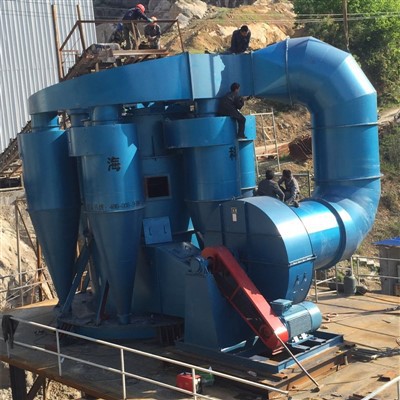
If you’re in the market for a shot blasting machine and want to make sure you’re getting the right dust collector to fit your needs, just reach out. We’ll ask you about your workload, the types of parts you’re blasting, and how many hours you run a day, then point you to the exact setup that’ll work for you—no jargon, no pushy sales pitches, just straight talk from someone who’s sold these machines for years.
Drying Equipment References:
- Occupational Safety and Health Administration (OSHA). "Crystalline Silica, Respirable: Occupational Exposure Limits". U.S. Department of Labor, 2022.
- American Society of Mechanical Engineers (ASME). "Standard for Dust Collector Safety in Industrial Surface Preparation". ASME International, 2021.
- Shot Blast Equipment Manufacturers Association (SBEMA). "Maintenance Guidelines for Shot Blasting Machine Dust Collectors". SBEMA Global, 2023.
- National Fire Protection Association (NFPA). "Standard for Combustible Dusts in Industrial Facilities". NFPA, 2022.
- Industrial Dust Collection Association (IDCA). "Selection Criteria for Dust Collectors for Surface Preparation Equipment". IDCA, 2021.
Jiangsu Haike Environmental Tech Co., Ltd.
As one of the most professional shot blasting machines manufacturers and suppliers in China, we’re featured by quality products and good service. Please rest assured to wholesale customized shot blasting machines at competitive price from our factory. Contact us for quotation.
Address: No.1, Wei’er Branch Road, Shanggang Industrial Park, Jianhu County, Yancheng City, Jiangsu Province, China
E-mail: 17388487000@163.com
WebSite: https://www.jshkhbwm.com/
