If you’re running a dropshipping business, you already know that your product’s quality, packaging, and reliability are the backbone of your brand. As someone who’s been supplying dropshippers on Alibaba for over seven years, I’ve lost count of how many new sellers skip this critical step: ordering samples before launching their store. Sure, it’s easy to scroll through Alibaba, pick a product with good reviews, and put it up for sale—but that’s a fast track to dealing with broken items, misleading product photos, or suppliers who vanish once an order goes wrong. Today, I’m breaking down exactly how to order samples the right way, from a supplier who’s seen every mistake in the book. Dropshipping Alibaba
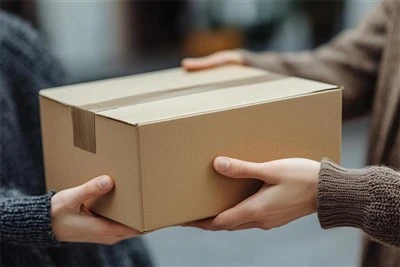
First, let’s talk why samples matter so much for dropshippers. When you’re dropshipping, you don’t hold inventory—you pass orders from your customers straight to your Alibaba supplier. That means you’re the middleman, and your customer’s experience is your responsibility. If a customer gets a flimsy water bottle that leaks all over their desk, they’re not mad at the supplier; they’re mad at you. A sample lets you test three key things first: product quality, packaging sturdiness, and shipping timelines. You’ll also spot small details the listing photos hide—like if the “stainless steel” tumbler is actually thin enough to bend, or if the USB port on your portable charger works the way the ad says it does. One of my new dropshipper customers last quarter skipped sampling, ordered 50 wireless earbuds, and ended up with 12 that didn’t hold a charge. He lost $800 in refunds and a bunch of negative reviews, all because he thought the $10 sample fee was too much to spend. Don’t be that guy.
Now, how do you actually go about ordering samples on Alibaba? Let’s start with finding the right supplier in the first place, because not all suppliers are set up to work with dropshippers. I’ve had dropshippers come to me asking for samples, and some suppliers treat them like big bulk buyers—unresponsive, or charging way too much. Here’s how to filter for dropship-friendly suppliers: Look for suppliers who have “Trade Assurance” (that’s Alibaba’s buyer protection program, which is non-negotiable), and who explicitly mention dropshipping or small orders in their store description. You can also search for keywords like “dropshipping supplier” or “small order” to narrow it down. Once you find a supplier, don’t just send a generic “send me a sample” message. Be specific: Tell them you’re a dropshipper, ask about their sample policy (some waive sample fees for first-time buyers, especially if you mention you’ll order bulk later), and ask about shipping costs. As a supplier, I can tell you that messages that sound like a real person (not a copy-paste spam) get a way faster response. For example, instead of “Send sample of product X,” try: “Hi, I run a small dropshipping store focused on eco-friendly home goods, and I’m interested in your bamboo food containers. I’d like to order a sample to test quality, and I might place a bulk order of 200 units once I confirm everything is right. Can you tell me the sample cost, shipping time to the US, and any discounts you offer for dropshippers?” That’s the kind of message I prioritize, and other good suppliers do too.
Next, once you’ve found a supplier and they agree to send a sample, what information do you need to give them? This is where mistakes happen. I’ve had dropshippers send a wrong shipping address, so their sample gets lost, or forget to specify any customizations they want. If you’re selling a private label product (adding your own logo, for example), you need to tell the supplier how you want that logo—file type (usually a PNG or SVG, transparent background), placement (on the bottom of the tumbler, for example), and color. For dropshipping, you’ll also want to specify the packaging: Most dropshippers prefer plain, unbranded packaging so their customers don’t see the supplier’s name. If you want custom packaging (with your brand), mention that too, and ask if there’s an extra cost. Also, confirm the sample’s specs: If you’re ordering a hoodie, make sure the supplier is sending the exact fabric weight, size chart, and color you see in the listing. Don’t assume the photo is perfect—ask to see a sample photo or video before they ship it, if you’re unsure. As a supplier, I always offer to send a quick video of the sample before shipping, because it saves both of us the hassle of returning it if it’s wrong.
Then, when it’s time to pay for the sample, here’s what to watch for. Sample fees vary a lot—some are free, some are $5, some are $50 depending on the product. Most suppliers require you to pay for the sample and shipping upfront, especially if you’re new. Never send money via a wire transfer to a personal bank account, and never pay outside Alibaba’s platform. Use Alibaba’s Trade Assurance for the sample payment—it protects you if the supplier doesn’t ship the sample, or if it arrives not as described. I’ve had a few customers try to pay me via Venmo, and I always tell them to use Trade Assurance, because it’s safer for them. Once you pay, track the shipment. Alibaba lets you track orders directly from the platform, and most suppliers will give you a tracking number once it’s shipped. If your sample takes longer than the estimated time to arrive, follow up with the supplier—sometimes customs delays happen, and it’s better to check in early than to panic when it’s a week late.
Now, what to do once you get the sample. This is the most important part—don’t just open it and put it on your shelf. Test every part of it. First, check the quality: For a phone case, does it fit your test phone perfectly? Does it protect the sides if you drop it? For a skincare product, check the ingredients (if you’re selling in the EU, make sure it complies with EU regulations, for example) and test how it feels on your skin. Second, check the packaging: Is it sturdy enough to hold during shipping? If you’re a dropshipper, your customers’ packages go through a lot—thrown around, stacked, in the rain. If the sample packaging is flimsy, that’s a sign customers might get damaged products. Third, check the branding: If you wanted plain packaging, is there any hint of the supplier’s logo on the product or box? Many customers hate seeing “sold by Alibaba” on their packages, so confirm that’s not the case. Fourth, test the shipping timeline: Once you’re ready to place a bulk order, how long does it take the supplier to ship it? Some suppliers take 2 weeks to ship a small order, which is way too slow for dropshippers who want fast delivery. Ask the supplier about their lead time for bulk orders before you commit.
Wait, but what if you need multiple samples? A lot of dropshippers test different variations of a product—different colors, sizes, or designs. Should you order all of them? I say yes, if you can afford it. For example, if you’re selling wireless chargers, order a black one, a white one, and a marble pattern one, and test each. You might find that the black one is made of cheaper plastic, or the marble one scratches way too easily, which you wouldn’t know from just looking at the listing. That said, don’t order 10 different samples at once—start with 2 or 3, then add more if you’re happy with the first ones. It’s easy to overspend here, especially when you’re just starting out.
Now, common mistakes dropshippers make when ordering samples, that I’ve seen time and time again. First, skimping on the sample fee. They think, “That’s $15, I don’t want to waste it.” But if that $15 sample is a dud, you’ll lose hundreds in customer refunds and negative reviews. Second, not asking about dropshipping policies. Some suppliers require a minimum bulk order, which is fine, but some don’t offer separate shipping for individual dropship orders. Make sure you ask, “If I order one unit later for a customer, will you ship it directly to my customer, with no mention of your company?” Third, not communicating clearly about customizations. A few months ago, a dropshipper ordered 100 mugs, told me he wanted his logo on them, but never specified where. I put it on the handle, he wanted it on the side, and we had to reprint all 100, which cost him extra time and money. Fourth, ignoring Trade Assurance. I’ve had a supplier get scammed before by a dropshipper who paid outside Alibaba, and I’ve had dropshippers get scammed by suppliers who never sent the sample. Trade Assurance covers your payment, so use it.
Let me also talk about what to do if the sample is bad. Maybe the product is flimsy, the color is wrong, or the packaging is terrible. First, reach out to the supplier. Good suppliers (like mine) will refund your sample fee or send you a new one for free, especially if you’re a serious dropshipper. If the supplier won’t make it right, that’s a red flag—avoid them for bulk orders, and look for another supplier. Always keep the communication on Alibaba, because that’s where the buyer protection works. Never take the conversation to WhatsApp or WeChat, because that’s outside of Alibaba’s system.
Now, once you’re happy with the sample, how to set up your dropshipping process with the supplier. As your supplier, here’s what I recommend: Ask for a wholesale price for small orders (some suppliers give a better rate if you order 10 units at a time, which is perfect for dropshipping). Ask for a private label option, so you can add your logo to the product. And confirm that they do direct-to-customer shipping—most dropshippers don’t want to handle inventory, so the supplier ships each order straight to your customer. Once you’ve set that up, you’re ready to list the product on your store, and you won’t have to worry about quality surprises anymore.
Wait, one last tip: For new dropshippers, many suppliers offer sample discounts if you mention you’re part of a dropshipping platform like Shopify, Etsy, or Amazon. That’s because they get a lot of dropshippers from those platforms, and they want to build long-term relationships. So if you sell on Shopify, say that—It won’t hurt, and it might get you a free sample or lower shipping cost.
At the end of the day, ordering samples isn’t just a step—it’s an investment in your dropshipping business. When you know exactly what you’re selling, you can set clear customer expectations, offer better customer service, and stand out from other sellers who cut corners. If you’re ready to test products, or if you have questions about how to align a product with your dropshipping brand, feel free to reach out to our team to discuss your needs. We work exclusively with dropshippers, so we make the sample and ordering process simple, transparent, and tailored to your business.
References
Railway Railroad Express Dropshipping Industry Best Practices (2023)
Alibaba Trade Assurance Buyer Guide (2024)
Supplier-Dropshipper Relationship Report (Global Trade Review, 2023)
Consumer Review Impact on Dropshipping Sales (E-commerce Insights, 2024)
Foshan Shijie International Logistics Co., Ltd.
With abundant experience, we are one of the most professional dropshipping alibaba service suppliers in China. We are committed to offering reliable dropshipping alibaba service and logistics solutions with low price. If you have any enquiry about quote, please feel free to email us.
Address: Room 701A, Office Building, Jinbo Commercial Center, No.88, Guiye Road, Guicheng Street, Nanhai District, Foshan City, Guangdong Province
E-mail: alicesmith.tradingbusiness@gmail.com
WebSite: https://www.fsshijielogistics.com/
