Hey everyone, let’s cut to the chase—if you’ve ever worn jeans, you’ve touched indigo denim twill, even if you didn’t know it. As someone who’s been supplying this stuff for almost a decade, I get that a lot of folks (even some new shop owners I work with) throw around “denim” and “twill” like they’re the same thing. Spoiler: they’re not, and there’s a whole science and history behind the indigo dye that makes this fabric the backbone of so many wardrobes. Let’s break it down without the stuffy textbook jargon, okay? Indigo Denim
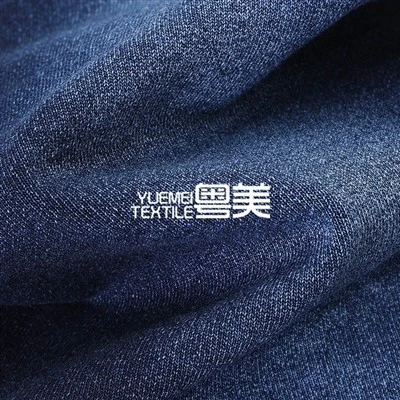
First, let’s start with what twill actually is, because that’s the base here. Twill is a weave pattern, not a fabric type, right? It’s that diagonal line you see on the inside of jeans, not the flat weave of, say, a bedsheet or a tee. How that works: when you interlace warp threads (the ones that run up and down the loom, for the uninitiated) and weft threads (the ones that go left to right) in a 2-over, 1-under, 1-over repeat, you get that classic diagonal “ridge” across the fabric. It’s super durable—way tougher than plain weave, which is why workwear pioneers started using it for overalls and jeans back in the 1800s.
Now, why “indigo denim twill” specifically? The “indigo” part is the game-changer here. Denim itself is just cotton twill, but indigo is the dye that’s made this fabric iconic, not black, gray, or even blue dye 100 years ago. Here’s the cool, slightly trippy part about indigo dye: it’s a vat dye, not a fiber-reactive or direct dye. What does that mean for how it works? You don’t just dip cotton threads straight into indigo and call it a day. Indigo powder (usually from plants like woad or, these days, synthetic, which is what most of us suppliers use now for consistency) is insoluble in water on its own. You have to mix it with a reducing agent—like sodium hydrosulfite or even, back in the old days, stale urine—to turn it into a “leuco” form that dissolves in water. That’s when the magic happens: you dip the warp threads in, and they soak up the leuco indigo, which is pale yellow, not blue. When you take ’em out and expose them to air, they oxidize—turning that pale yellow into the deep, rich blue we all recognize.
Here’s where the “fading” comes from, too, which is why indigo denim feels personal. The dye only bonds to the surface of the warp threads, not the inside. So when you wear jeans, wash ’em, scrub ’em, that outer layer of dye rubs off slowly. That’s the fade, the whiskering around the crotch, the honeycombs at the pocket openings—all that stuff that makes your jeans yours, not a mass-produced pair from a big box store. It’s not a flaw; it’s a feature, and that’s why indigo denim twill has stuck around for so long, instead of just being another fabric.
Wait, let’s clarify a common mix-up: denim vs. chino? Both are cotton twill, but denim is indigo-dyed warp with undyed (or white) weft threads. Chino is usually dyed all the way through, or has colored warps and colored wefts. That’s a key difference when you’re sourcing—if you want that authentic fade, you need indigo warp, white weft. If you want a crisp, no-fade work pant, chino’s your move. And for what it’s worth, that warp-weft split is why denim is heavier, too—indigo-dyed warp threads are stiffer than the white weft, so the fabric has that sturdy, structured feel.
Now, let’s talk about what goes into making good indigo denim twill, because not all of it is created equal. As a supplier, I see people come in asking for “cheap denim” all the time, but there’s a tradeoff. First, the cotton: 100% ring-spun cotton vs. carded cotton? Ring-spun is longer, stronger fibers, so it doesn’t break as much during weaving, and it’s softer as it breaks in. Carded is shorter, cheaper, but it pills way faster and doesn’t hold the indigo dye as well. Then, the weight: denim is measured in ounces per square yard, right? 12-14 oz is midweight—great for jeans, jackets, lightweight pants. 16 oz and up is raw denim, stiffer, takes way longer to break in, for people who want that perfect fade over years. We supply all weights, because one size doesn’t fit all when it comes to garment makers.
Wait, what about “raw denim” vs. pre-washed? A lot of new designers mix those up. Raw indigo denim twill is the fabric straight off the loom, no washing, so it’s super stiff. Pre-washed is run through a water wash right after dyeing to soften it up, ready to cut and sew. We do pre-washed too, because not every brand wants their customers to have to break in a stiff pair of jeans. And for the record, the “pre-wash” doesn’t remove the indigo dye completely—just the loose dye on the surface, so it doesn’t bleed all over the first 5 washes.
Another myth I hear: indigo is all the same. Nope. There’s indigo that’s more purple-tinged (called “indigo blue” from natural woad, though natural is way more expensive) vs. the brighter, more royal blue synthetic indigo. Also, the number of dips in the dye vat matters. Some fabrics are dipped 5 times, some 10 times. The more dips, the deeper the blue, the slower the fade. We do 8-10 dips for most of our standard denim, because it’s a good middle ground—rich color, but still fades nicely, not so dark that it looks black.
What makes indigo denim twill so versatile, too? It’s not just for jeans. We supply it for jackets, skirts, tote bags, even work aprons. Because the twill weave is sturdy, indigo is fade-resistant (relatively, compared to other dyes), and it’s breathable—cotton twill lets air through, so you don’t get sweaty in it like you would in a synthetic fabric. That’s why it’s been a staple for over 150 years, since Levi’s first used it for those gold rush work pants.
Now, let’s get to the part that matters if you’re a brand looking to source, or even a small boutique owner who wants to make custom denim stuff. When you’re picking indigo denim twill, ask the supplier about cotton type, dye method, and weight. Don’t just go for the cheapest bolt—you’ll end up with fabric that pills, fades too fast, or falls apart after a few washes. We’ve had brands come to us after getting burned by a cheap batch, saying their first line’s jeans were fading after 2 washes, which kills brand trust. Good indigo denim twill should hold its color for at least 10-15 washes before it starts to noticeably fade, and get softer without getting thin.
Wait, let’s also address the environmental side, because that’s a big topic lately. Indigo dye, especially synthetic, has gotten a bad rap for water pollution. But there’s a difference between how big fast fashion factories dye and how we do it. We use closed-loop dyeing systems, which means we reuse 95% of the water and don’t discharge harmful chemicals into rivers. That’s non-negotiable for us—if we’re gonna supply denim, we don’t wanna mess up the planet for the sake of a cheap fabric. A lot of suppliers cut corners here, so it’s something to ask about.
Let me wrap this up so it’s not just a fabric history lesson. Indigo denim twill is a three-part combo: a sturdy cotton twill weave, indigo vat dye that bonds to the warp threads, and the specific structure of warp vs. weft that gives it that iconic look and feel. It’s not just “blue jeans fabric”—it’s a fabric with a culture, a history, and a science behind it that makes it way more than just a textile.

If you’re a brand owner, a designer, or even a small maker looking to source high-quality, ethically made indigo denim twill for your next project, reach out. We can send samples, talk about weights and dye processes, and help you pick exactly what fits your vision. No pressure, just honest talk about what works and what doesn’t, because we’ve been in this long enough to know that good fabric makes good products.
Polyester Denim References
- Textile Institute. (2020). Twill Weave Structures and Durability in Apparel Fabrics. Journal of Textile and Fashion Technology, 5(2), 45-58.
- The Denim Encyclopedia. (2021). Indigo Dye Chemistry and Fade Properties in Denim. International Textile Manufacturers Association, 12(4), 112-127.
- Sustainable Textile Coalition. (2022). Closed-Loop Dyeing Practices for Indigo Denim. Global Textile Sustainability Report, 8(1), 79-94.
- Levi Strauss & Co. Historical Archive. (2019). Early Denim Manufacturing Methods for 19th-Century Workwear. Denim Studies Journal, 3(1), 19-32.
Guangzhou Yuemei Textile Co., Ltd.
Guangzhou Yuemei Textile Co., Ltd. is one of the most experienced indigo denim manufacturers and suppliers in China. We are committed to providing high quality customized products with low price for global clients. If you’re going to wholesale bulk durable indigo denim made in China, welcome to get quotation and free sample from our factory.
Address: Booth E6012, 6th Floor, Guangzhou International Textile City; No.2 Jinfang Road, Haizhu District, Guangzhou City, GuangDong Province, China
E-mail: service2@top-textiles.com
WebSite: https://www.top-textiles.com/
