Hey everyone, if you’ve ever walked past a construction site and watched workers piece together concrete forms like they’re solving a giant 3D puzzle, you might’ve wondered how those flimsy-looking boards and frames stay perfectly aligned long enough for the concrete to set. That’s where formwork clamps come in—super unsung heroes of construction, and as someone who’s been supplying these bad boys for years, I get to see firsthand just how much they move the needle on every job. Let me break this down straight, no fancy jargon that’ll make your eyes cross. Formwork Clamp
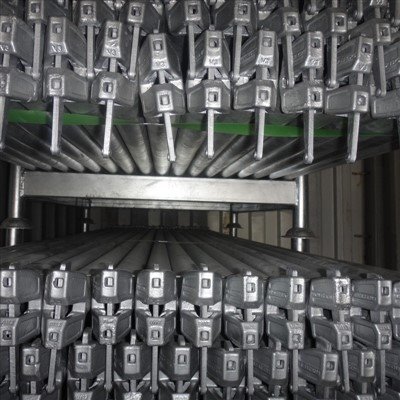
First off, let’s keep it real: concrete isn’t just pour-and-forget. When you dump liquid concrete into a form, it’s got this thing called hydrostatic pressure pushing outward on every side of those form panels. If that pressure isn’t held in check, the forms bow, warp, or even bust open mid-pour—resulting in uneven walls, costly fixes, and way too many headaches for the crew. Formwork clamps’ whole main purpose is simple: lock those form panels tight so they don’t budge, no matter how much the concrete is pushing. But it’s not just about “holding stuff together” — there’s a lot more nuance here that most people don’t talk about.
Let’s start with the basics of how these clamps work, because that’s where a lot of people mix them up with other tools. Unlike nails or screws, which are permanent once you drive ’em in, formwork clamps are reusable, adjustable, and built for rapid assembly and disassembly. Wait, right—time is money on construction sites, and every minute you spend fumbling with slow fasteners is time you’re not making progress. Clamps let workers slide ’em into place, crank the handle, and get a tight grip in seconds, no extra tools needed most of the time. That speed matters for big jobs—like a multi-story apartment building where you’re pouring floors every week, or a bridge where you’re working around tight deadlines to avoid weather delays.
Another big one: consistency. Every formwork panel has to sit at exactly the right spacing to get a straight, uniform wall or slab. If panels are off by even a quarter-inch, the final concrete structure is wonky, which messes up everything from door frames to plumbing to the structural integrity itself. Formwork clamps are calibrated to pull panels evenly, so you don’t get lopsided walls that require hours of grinding or patching later. I’ve seen guys skip this step with regular clamps (like C-clamps) and end up with a wall that was two inches wider in one spot—costing the client thousands in rework. That’s the kind of mistake good clamps prevent, plain and simple.
Wait, let’s not forget about safety. Construction sites are already dangerous without adding avoidable risks, and a form that gives way during a concrete pour is a nightmare. Liquid concrete is heavy—one cubic yard weighs around 4,000 pounds—and if a form breaks, that pressure can send panels flying, or even cause the whole structure to collapse. Formwork clamps are engineered to withstand that kind of force; we test every single one of our clamps to make sure they can handle 5,000 pounds of outward pressure, way more than any standard pour will ever exert. That peace of mind? It’s worth every penny to foremen who don’t want to worry about their crew getting hurt or their job shutting down over a safety violation.
Now, I know what you’re thinking: “Can’t you just use bolts or wire to hold forms together?” Sure, you could, but let’s compare. Bolts require drilling holes, which means you have to patch ’em later when you strip the forms—extra time, extra materials, extra waste. Wire ties? They stretch, slip, and can rust if left exposed, which weakens the grip over time. Formwork clamps eliminate all that: no drilling, no patching, no rust issues (we use galvanized steel or aluminum for most of our clamps, so they hold up for hundreds of uses). And since they’re reusable, they cut down on material costs a ton—for a mid-sized job, switching from bolts to clamps can save you 20-30% on form materials alone, not to mention labor time. I’ve had guys tell me after switching to our clamps that their crew finishes each pour a full day faster, which means they can move on to the next part of the job sooner. That’s profit right there.
But wait, there’s different types of clamps for different jobs, right? Because a wall clamp for a 10-foot high foundation is way different from a slab clamp for a 20-foot tall bridge pier. That’s why as a supplier, we don’t just sell one-size-fits-all—we’ve got spring clamps for small, quick jobs, toggle clamps for heavy-duty industrial pours, and even adjustable beam clamps for irregular shapes like curved walls or arches. The key is matching the right clamp to the job: using a flimsy spring clamp for a foundation is asking for trouble, just like using a heavy toggle clamp for a small residential patio is overkill and a waste of money. I always tell new clients to reach out so we can walk them through what they need—no pressure, just solid advice from someone who’s been in the field.
Another thing a lot of people miss: formwork clamps help with alignment when you’re working with multiple form panels. When you line up panels side by side, there’s usually a gap that needs to be sealed or filled to prevent concrete from leaking out (that’s called blowouts, and they’re a mess to clean up). Clamps pull panels tight so that gap is gone, no caulk or foam needed. No more mopping up concrete drips off the ground, no more sanding down irregular edges after the concrete cures. That small detail adds up—over a whole project, cutting blowouts alone saves tons of time and materials.
Let me also talk about durability, because that’s a big part of why our clients come back. Our clamps are built to withstand rough handling—dropped from a ladder, dragged across concrete, exposed to rain and mud, and still work perfectly for years. I’ve had a client who’s been using our clamps for 12 years, and he still uses the same set on every job he does. That’s the kind of longevity you don’t get with cheap knockoff clamps, which break after a few uses and end up costing you more in replacements. We stand behind our products, too—if a clamp ever fails under normal use, we replace it no questions asked. That’s not just sales talk; that’s how we do business.
Wait, let’s address a common myth: some people think clamps are only for new construction, but they’re also huge for renovation and repair jobs. If you’re patching a concrete wall, or building a small addition, you need forms to hold the new concrete in place. Clamps work just as well there, too—no need to bring in heavy-duty equipment, just grab a few clamps and you’re good to go. I’ve had homeowners call us for small projects, but most of our clients are general contractors, concrete finishers, and construction companies who do big commercial and residential jobs.

So to wrap this up, the purpose of a formwork clamp isn’t just “holding forms together.” It’s three core things: first, maintaining the structural integrity of the form to prevent leaks, warping, or collapse. Second, speeding up assembly and disassembly to cut down on labor time and project delays. Third, saving money by being reusable, reducing material waste, and minimizing rework. Without good formwork clamps, even the best concrete job can go sideways fast.
Anchor Nut/ Wing Nut If you’re a contractor, foreman, or anyone in the construction industry who’s tired of dealing with flimsy clamps that don’t hold, or paying too much for replacements, hit me up. I can walk you through the right clamps for your specific job, give you a quote, and even help you figure out how many you’ll need. No sales pitches, no runaround—just straight talk and products that work.
References
- Construction Safety Association of Ontario. (2021). Formwork Safety Guidelines for Concrete Pouring. Retrieved from construction safety archives
- National Ready Mixed Concrete Association. (2022). Formwork Design and Material Selection for Structural Concrete. NRCMA Technical Bulletin Series
- Formwork Clamp Manufacturers Association. (2023). Reusable Formwork Hardware Efficiency Report. Industry Best Practices Publication
Rizhao Wellfit Scafform Co., Ltd.
As one of the most professional formwork clamp manufacturers and suppliers in China, we have world-leading production equipment and strong manufacturing capabilities. Please feel free to buy high quality formwork clamp at competitive price from our factory.
Address: No.7, Huasheng Road, Taoluo Town Industrial Zoon, Donggang District, Rizhao City
E-mail: sales@wfscafform.com
WebSite: https://www.wfscafform.com/
