If you’ve ever worked in industries like agriculture, grain storage, manufacturing, or construction, you’ve definitely seen those tall, cylindrical silos dotting farms, factory yards, or construction sites. I’m a silo supplier, and more often than I’d expect, new clients call me and ask, “Wait—are there actual rules I have to follow for these things, or can I just build what seems to work?” It’s such a common question, and the short answer is yes, there are tons of regulations. But let’s break this down like we’re chatting over a coffee, no stuffy jargon, because this stuff matters way more than just checking a box. Silo
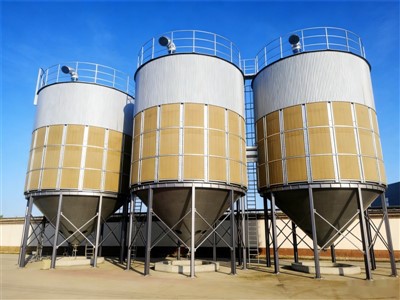
First off, you can’t talk about silo rules without splitting them up by where you are and what you’re storing. That’s the biggest mistake I see new folks make: they Google “silo regulations” and get a generic page, but rules in the U.S. are totally different from the EU, Australia, or even parts of Canada. For example, here in the States, OSHA (Occupational Safety and Health Administration) is the big dog, but you also have to follow state-specific codes, plus USDA rules if you’re storing food-grade grain like corn or wheat. If you’re storing something way more volatile, like grain with high moisture that can explode, or chemicals for a factory, you’re also dealing with EPA guidelines too.
Wait, let’s talk about grain silos first because that’s most of what I supply, and it’s where I’ve seen the most mix-ups. A lot of new farm owners think a silo is just a big metal bucket to hold grain, but OSHA’s confined space entry rules apply here, hard. If a silo’s sealed, that’s a confined space—no oxygen, plus that grain can act like quicksand if it starts to flow. OSHA’s 29 CFR 1910.146 isn’t some random document; it’s the rule that says you can’t just send a worker down to clear a blockage without a rescue plan, a gas detector, and a spotter standing by. Last year, a small farm down in Ohio called me after they almost lost a guy because they tried to skip that step. They were building their first silo, hadn’t looked up the confined space rules, and almost made a terrible mistake. That’s why I always tell new clients: before you even pick out a silo size, hit up your local OSHA rep or state ag extension office. They’ll point you to exactly what you need, no guesswork.
Then there’s the structural stuff. You can’t just weld a few metal panels together and call it a day. Building codes for silos depend on wind load, snow load, and even seismic activity where you’re at. For example, if you’re in tornado alley (like Kansas or Oklahoma), your silo has to be able to withstand 110+ mph winds. If you’re in Washington state, it’s all about heavy snow on the roof. I work with a structural engineer every time I sell a silo, and we always ask for the property’s building location details first—no exceptions. Skip that, and your silo could lean, crack, or even collapse during a storm. A few years back, we had a client in Texas who tried to save a few bucks by using a lower-grade steel for his grain silo. When a big hailstorm hit, the roof dented so bad he had to replace the whole top, which ended up costing him way more than just using the right steel in the first place. That’s why regulations aren’t just hoops—they’re there to keep you from wasting money and keeping your people safe.
Now, if you’re not storing grain? Let’s say you’re a construction company storing cement or aggregate, or a chemical plant storing powders or gases? The rules shift hard. For industrial silos holding hazardous materials, EPA’s Resource Conservation and Recovery Act (RCRA) applies here. That means you have to have spill prevention measures, leak detection systems, and proper disposal plans if something leaks. I once sold a silo to a small chemical manufacturer, and they thought they could just set it on concrete without a secondary containment barrier. EPA rules require that secondary barrier to hold 110% of the silo’s total volume, so if there’s a leak, it doesn’t get into the ground or local water. They had to redo the concrete slab a month after installation, which added $12k to their budget—total avoidable mess if they’d asked me first.
Also, fire safety is a huge one I see overlooked. Grain dust is explosive, right? A tiny spark from a static charge or a faulty wire, and the whole silo can blow. OSHA’s 29 CFR 1910 Subpart H covers hazardous materials, and NFPA (National Fire Protection Association) has specific standards for dust explosion protection. That means things like explosion vents on the silo roof, spark-resistant wiring, and even regular dust cleaning to prevent buildup. I always include those explosion protection features as standard on my grain silos, but I’ve had clients try to skip them to cut costs. Let me tell you—NFPA and OSHA don’t mess around here. If an inspector catches you without those, they can shut you down mid-operation, fine you tens of thousands of dollars, or even make you tear out parts of the silo to comply. It’s just not worth the risk.
Wait, what about smaller operations? Like a small farm with a 5,000-bushel silo instead of a 100,000-bushel giant? Do the rules change? Sort of, but not by much. OSHA’s confined space rules apply to any silo over 4 feet deep, regardless of size, and most state building codes have minimum standards for even small silos. I had a client last year in Vermont who had a tiny homemade silo he’d built 10 years prior, and a neighbor reported him to OSHA because a worker was climbing in to clear a blockage without a harness. OSHA made him tear it down and install a proper entry system, which ended up being more than if he’d just bought a code-compliant silo from me in the first place. Small operations aren’t exempt—regulations are for everyone, no matter how big or small.
Another thing people don’t talk about: local zoning rules. A lot of cities or towns have rules about how far a silo has to be from property lines, residential areas, or roadways. If you’re in a suburban area, you might not be able to put a 50-foot silo right next to a neighbor’s house. I once had a client in Illinois who wanted to put a silo on his property, but the town’s zoning code required it to be 20 feet from the property line, but he only had 10 feet of space. He had to go to the zoning board to ask for a variance, which took 6 months and cost him a bunch in legal fees. That’s why I always tell people to check their local zoning department before they start planning—save yourself the headache.
Let’s switch over to the EU, because I deal with a lot of international clients too. There, it’s the Machinery Directive (2006/42/EC) and the Workplace Directive (89/655/EEC) that cover silos. The Machinery Directive requires that any silo sold in the EU meets safety standards, has CE marking, and comes with proper instruction manuals. The Workplace Directive is similar to OSHA’s confined space rules, focusing on worker safety when entering silos. I had a client in France a while back who tried to import a silo from a non-EU supplier without CE marking—customs seized it, and he had to send it back, costing him almost $15k in shipping and fines. So international regulations are just as strict, if not more, in some cases.
I know this all sounds like a lot of hoops, but here’s the thing: when you work with a reputable silo supplier like me, we take all this into account. We don’t just sell you a metal cylinder and walk away. We help you figure out which regulations apply to your location and what you’re storing, we design the silo to meet all those standards, and we even can point you to local inspectors or safety resources. The last thing I want is for a client to get into trouble because they didn’t know the rules—my job isn’t just to sell a silo, it’s to make sure it’s safe and compliant from day one.
Wait, let’s talk about a common misconception: some people think regulations are just for new silos. Nope—existing silos have regular inspections and maintenance requirements too. OSHA requires annual safety inspections, and if your silo is over 10 years old, you might have to upgrade parts to meet current codes. A client in Michigan called me last year because his 15-year-old grain silo had a faulty entry ladder, and OSHA cited him. We retrofitted the ladder to meet current OSHA standards, which was way cheaper than building a whole new silo. So even if you’ve had a silo for years, don’t assume you’re covered—regular checks are required.
Another big one: environmental regulations for silos holding non-grain materials. If you’re storing construction materials like sand or gravel, but also things like fly ash or cement, there’s EPA rules about keeping dust from getting into the air. I always install dust collection systems on industrial silos for construction clients, because not only do EPA rules require it, but it’s also good for your workers’ lungs. I can’t tell you how many times I’ve had clients skip that, then get hit with a $50k EPA fine because a neighbor complained about dust in their yard. It’s a small add-on cost that saves you a ton later.
At the end of the day, regulations for silos aren’t made to be annoying. They’re made because silos, if not built or used right, can be super dangerous. I’ve been in this industry for over 12 years, and I’ve seen what happens when someone cuts corners or doesn’t know the rules—collapsed silos, dust explosions, worker injuries, even deaths. That’s why I make it a point to walk every client through the regulations that apply to them, no matter how big or small their operation is. I don’t want to be just your silo supplier; I want to be the person who helps you do it right, so you don’t have to deal with the headaches later.

If you’re planning to add a silo to your farm, factory, or construction site, and you’re not sure where to start with regulations, hit me up. I can walk you through every step, from checking local codes to making sure your silo is compliant and safe. Don’t wait until an inspector shows up or something goes wrong—reach out early, and we can make sure you’re covered from day one.
Conveying Equipment References:
- Occupational Safety and Health Administration (OSHA). “Confined Space Entry.” 29 CFR 1910.146, U.S. Department of Labor.
- National Fire Protection Association (NFPA). “Standard for the Prevention of Fires and Explosions in Grain Handling Facilities.” NFPA 61, National Fire Protection Association.
- U.S. Environmental Protection Agency (EPA). “Resource Conservation and Recovery Act (RCRA).” EPA.gov, U.S. Environmental Protection Agency.
- European Commission. “Machinery Directive 2006/42/EC.” European Parliament and Council of the European Union.
- National Ag Safety Database (NASD). “Silo Safety and Regulations.” USDA Agricultural Research Service.
Henan Oumu Intelligent Storage Equipment Co., Ltd.
As one of the most professional silo manufacturers and suppliers in China, we’re featured by quality products and good service. Please rest assured to buy customized silo made in China here from our factory. For quotation, contact us now.
Address: No. 681, Xinzhong Avenue, Hongqi District, Xinxiang City, Henan Province
E-mail: luna@oumu-silo.com
WebSite: https://www.oumu-silo.com/
