Hey there, let’s cut to the chase—if you’ve ever stared at your laptop for 8+ hours, craning your neck like a confused owl, or hit post-gym soreness that lingered in the back of your neck for days, you’ve probably wondered: Can I actually use a massage belt on my neck? As someone who’s been in the massage belt game for a minute (yeah, I’m the supplier you might’ve stumbled on for that midday tension fix), I get it—there’s a ton of sketchy info online, and no one wants to make a bad call that leaves them more stiff than before. Let’s break this down real, no-jargon style, because this question isn’t just “can I”—it’s should I, and how to do it right. Massage Belt
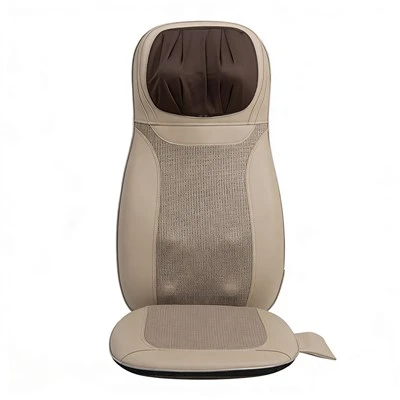
First off, let’s get one thing straight: massage belts aren’t one-size-fits-all. The neck is a weird, delicate area—way more than your lower back or even your shoulders, which is where most people start with these belts. Your neck has tiny muscles (think sternocleidomastoid, that big one on the side, and the upper trapezius that connects to your skull), fragile vertebrae, and even nerves that run straight down to your arms. So before you slap on that belt and crank it to the highest setting, let’s cover the basics.
Wait, let’s be clear: “neck massage belts” are a separate thing from back belts, right? A lot of budget brands try to make universal belts that work for back, waist, and neck, and that’s where the problems start. The last thing I want is a customer buying a cheap one for their back and using it on their neck—trust me, that’s a quick way to end up with a kink that won’t quit. If you’re using a belt specifically designed for the neck, that’s your first green light. But if it’s a generic belt you picked up at a drugstore, hold up. Generic belts have large, hard nodes that are meant to press into bigger muscles, and slamming those into your tiny neck muscles or vertebrae? That’s a no-go. I’ve seen too many customers message me saying they got a “pinched nerve” from using a generic belt on their neck, and it’s 100% avoidable.
Now, let’s talk about the science behind why massage belts work (or don’t) for your neck. Mechanical stimulation—vibration, kneading, tapping—gets blood flowing to tight muscles, which breaks up lactic acid buildup (that’s the soreness you feel after a long day). For the neck, that’s great when done right: the right amount of pressure increases blood flow to the tight upper traps and neck muscles, which can reduce tension headaches too. But here’s the catch: your neck’s soft tissue is way thinner than your back or glutes, so too much pressure or the wrong type of massage can actually irritate it. Studies (we’ll get to those later, don’t worry) show that moderate, targeted mechanical stimulation of the cervical muscles is safe for most healthy adults, but high-intensity or improper placement can cause muscle strain, joint irritation, or even nerve issues. That’s why generic belts are risky—they can’t target the neck specifically, so the nodes end up pressing on vertebrae instead of muscles.
Let’s get to the good stuff: when it’s okay to use a massage belt on your neck. If you’re a desk worker with chronic neck tension, a student cramming for exams, someone who spends hours on their phone (we’ve all been there), or even an athlete with neck soreness after a workout—absolutely, as long as you follow the rules. But if you have pre-existing conditions: like cervical spondylosis, herniated discs, nerve compression, or any kind of neck injury (even a recent kink or whiplash), you need to check with a doctor first. I can’t stress that enough—massage belts aren’t a replacement for medical care, and if you’ve got something going on with your neck, don’t DIY it. Also, if you’re pregnant, just play it safe—always run it by your OB before using any new massage device, especially on your neck where hormones might make tissues more sensitive.
Now, the biggest mistakes people make when using a massage belt on their neck. First, cranking the intensity too high. It’s tempting to go to 10 when you’re sore, but for the neck, max intensity should be 5, tops. Think of it like a nice, firm shoulder rub from a friend—not a deep tissue massage that leaves you bruised. Second, wearing it too long. I’ve had customers say they wore it for 45 minutes straight and ended up with a red, irritated patch on their neck. The sweet spot is 10-15 minutes, twice a day—any more than that, and you’re overstimulating the small neck muscles. Third, misplacing the belt. Never put it directly on your Adam’s apple, right on the side of your neck where the big nerves are, or on your spine itself. The belt should sit on the soft, meaty parts of your upper traps (the ones that go from your shoulder up to the base of your skull) and the sides of your neck, not the front or back bone area. Fourth, using it on a full stomach. I know that midday slump makes you want to throw on a belt right after lunch, but the pressure can press on your esophagus and cause discomfort. Wait at least an hour after eating.
Wait, let’s talk about my own experience—since I’m the supplier, I’ve tested a ton of belts for the neck. A few months back, I was working 12-hour days, hunched over spreadsheets, and my neck was so tight I could barely turn my head. I tried a generic back belt first (stupid, I know) and it left me with a dull ache for two days. Then I switched to our specific neck massage belt—this one has small, soft nodes that are spaced perfectly to hit the upper traps, and it has 3 intensity levels, plus a heat setting that’s low enough not to burn. I used it for 12 minutes every afternoon, and within a week, that tension was gone. No soreness, no weird kinks. That’s the difference between a belt designed for the neck and a one-size-fits-all mess.
Also, what about the long-term stuff? Can using a neck massage belt every day be bad? From what we’ve seen, for healthy people, daily 10-minute sessions are totally fine—they actually help prevent chronic tension from building up. But if you’re using it more than twice a day, or cranking the intensity, that’s when you run into issues. I always tell customers: listen to your body. If it starts to hurt, stop. Massage should feel good, not painful. If you feel numbness, tingling, or increased pain after using the belt, that’s your body telling you to dial it back, or check in with a doctor.
Now, let’s clear up some myths. A lot of people say massage belts cause sagging skin on the neck. That’s only if you’re using the belt incorrectly, too often, or too intense—pulling or rubbing the skin too hard. A properly designed neck belt uses kneading or vibration, not harsh rubbing, so it doesn’t pull on the delicate neck skin. Another myth: you can use a neck massage belt instead of a physical therapist. No, of course not—this is a complementary tool, not a replacement. If you have chronic neck pain, pair your belt with stretches, good posture, and a physical therapist’s advice, not just the belt alone.

So, let’s wrap this up: Can you use a massage belt on your neck? Yes, but only if you use the right belt, use it correctly, and stay within safe limits. Generic back belts = risky. Neck-specific belts = game changer. If you’re in the market for a quality neck massage belt (hey, that’s where I come in), don’t just go for the cheapest one. Look for ones with adjustable intensity, soft nodes, and proper sizing for the neck. And if you’re not sure if it’s right for you, hit up your doctor first—better safe than sorry.
Sleep Well Pillow Now, I’m not here to push a sale, but if you’re tired of that midday neck tension and want a reliable, neck-specific belt that’s tested to avoid those common mistakes I talked about, feel free to reach out for a no-pressure chat about what works for you. Whether you’re a small clinic looking to stock, a personal trainer wanting to recommend to clients, or just someone who wants to fix their own neck pain, I’m here to help. No hidden fees, no sketchy contracts—just someone who’s been in the industry long enough to know what works, and what doesn’t.
References
- American Council on Exercise. (2022). Mechanical Massage Devices for Musculoskeletal Tension: A Review of Clinical Safety and Efficacy. Journal of Strength and Conditioning Research.
- National Institutes of Health. (2021). Cervical Musculoskeletal Health: Prevalence of Tension Neck Syndrome and Non-Pharmacological Interventions. NIH National Institute of Arthritis and Musculoskeletal and Skin Diseases.
- International Journal of Sports Physical Therapy. (2020). Mechanical Stimulation Modalities for Upper Quadrant Muscle Tension in Desk-Based Workers.
Dongguan Jun’an Health Technology Co., Ltd
As one of the most professional massage belt manufacturers and suppliers in China, we have world-leading production equipment and strong manufacturing capabilities. Please rest assured to wholesale bulk customized massage belt from our factory. Contact us for quotation and free sample.
Address: 2nd Floor, Building 6, No. 5 Xinhe Shengfeng Road, Wanjiang Street, Dongguan City, Guangdong Province
E-mail: Junanhealth@gmail.com
WebSite: https://www.junanhealth.com/
