Hey guys, let’s cut to the chase because I know you’re deep in the ITX build grind right now. As someone who’s been in the ITX motherboard supply game for way too long—hand-holding builders through tiny form factor madness for years—the question I get more than anything is: “Can I actually pair a small form factor power supply (SFX, SFX-L, all that jazz) with my ITX motherboard?” The short answer is a resounding YES, but there’s way more to it than just shoving a mini PSU into a tiny case and calling it a day. I’ve seen so many people botch this combo and end up with dead parts, weird boot loops, or that terrible “my PC smells like burnt plastic” panic. Let’s break this down like we’re geeking out over our latest tiny rig build, no jargon fluff. ITX Motherboard
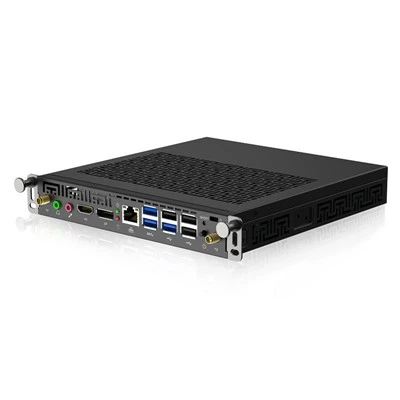
First, let’s get the basics straight so we’re all on the same page. An ITX motherboard is that 6.7 x 6.7-inch square bad boy built for cramped spaces—think handheld gaming PCs (no, wait, full-size mini towers, ultra-compact desk setups, even NAS boxes that fit under your monitor). The whole point of ITX is ditching the bulk of standard ATX builds to save desk space, stuff a PC into a bookshelf, or build a rig that doesn’t look like a mini server closet. Now, a small form factor power supply isn’t just “tiny”—it has different shapes, power outputs, and connector pinouts that aren’t one-size-fits-all with your bog-standard ATX PSU. That’s where most new builders mess up.
Wait, before we go further, let’s clarify PSU types because half the confusion comes from mixing up SFX, SFX-L, and even TFX (though TFX is more for super tiny industrial builds these days). SFX is the original mini PSU, sized at 3.9 x 3.2 x 5.5 inches—perfect for most mid-sized ITX cases. SFX-L is the extended version, same width and height, just 1.6 inches longer (total 7.1 inches) for people who need a bit more real estate for higher-wattage parts. TFX is smaller, like 3.2 x 2 x 5.9 inches, but it’s less common for consumer builds these days, mostly used in cheap office PCs. Now, the key point here: nearly all ITX motherboards use the standard 24-pin main power connector and the 8-pin CPU power connector—same as ATX boards. The only exception? Super old ITX boards from the early 2000s, which used weird proprietary connectors back when ITX was a niche, not the hype it is now. If you’re working with a modern ITX board (post-2010, basically), the pinout is identical, so the connector compatibility is there.
But hold up—just because the connectors fit doesn’t mean you’re golden. That’s the next big myth. I had a customer last month come to me panicking because his $1,800 ITX build wouldn’t boot, and turns out he grabbed a cheap 500W SFX PSU from a no-name Amazon brand that couldn’t deliver steady power when paired with his RTX 4070 Ti and 12th-gen i7. ITX builds are tight, and airflow is a whole other thing, so the PSU’s power delivery isn’t the only factor—its efficiency, heat output, and even its length matter for fitting in your case. Let’s talk PSU wattage first, because that’s the #1 question we get at our supplier. For casual ITX builds—basic office work, streaming, gaming on a 1060 or 3060—an 80+ Bronze rated SFX PSU between 450W and 650W is more than enough. If you’re going for a mid-range gaming rig, 650W to 750W SFX-L is ideal for GPUs up to RTX 4070 Ti or RX 7800 XT. For high-end stuff, like 4090s or 13900K CPUs, you’ll want an SFX-L 80+ Gold PSU rated at 850W or higher, because those parts suck power and can’t handle flimsy mini PSUs.
Wait, why does PSU rating matter so much here? Because cheap no-name SFX PSUs often inflate their wattage numbers—they’ll say 750W, but only put out 500W steady, which is enough for a low-power GPU but not a high-end one. And when you’re cramming everything into a tiny ITX case, that extra heat from a flimsy PSU can cause throttling, crashes, or even long-term damage to your ITX motherboard. As a supplier, I always recommend that builders check the PSU’s efficiency rating too—80+ Bronze is the minimum, Gold is better for high-power builds because they run cooler and use less electricity, which is a win for small cases where heat is your enemy.
Now, the fit part. This is where a lot of first-time ITX builders get stuck. They buy a super tiny ITX case, like the NZXT H210 or the Lian Li A4 H2O, and then realize their SFX-L PSU is too long to fit. Wait, no—wait a second: SFX-L is longer than standard SFX, so you need to make sure your case supports the length of PSU you’re buying. Most modern ITX case specs list “SFX PSU support” or “SFX-L PSU support” right in the product description—don’t skip that part. I can’t tell you how many times I’ve had a customer come to us because they ordered an ITX motherboard that “works with SFX” but their case only fits SFX, not SFX-L. It’s a simple check, but it’s the most common mistake. Also, some ITX cases have a “reverse” direction for the PSU—some put the PSU fan facing the front of the case (intake) and some put it facing the back (exhaust). If your case has front intake, make sure the PSU you pick has good airflow for front-facing placement, otherwise it’ll overheat fast.
Another thing people don’t talk about: modular vs. non-modular PSUs for ITX builds. Modular PSUs are perfect for ITX, because they let you only plug in the cables you need—no extra cables cluttering up the tiny case, which is a nightmare for airflow and fitting components. Non-modular PSUs have a bunch of extra cables that you have to stuff somewhere, and in an ITX case, that extra bulk can mean you can’t fit a taller CPU cooler or a longer GPU. So even if a non-modular SFX PSU is a bit cheaper, I always recommend modular for ITX builds, as long as it meets your wattage needs.
Wait, let’s go back to the ITX motherboard side for a second. Is there any scenario where you can’t use an SFX PSU with an ITX board? Only a few edge cases. First, really old ITX boards—like pre-2005 ones that used a 20-pin main power connector instead of 24-pin. But if you’re building a new ITX rig, you’re definitely not using a board that old. Second, some ITX boards designed for industrial use or embedded setups might use a proprietary power connector instead of the standard ATX pins. Those are rare, though—most people building consumer ITX builds don’t run into that. Third, if you’re using an ITX board with a very power-hungry component, like a 12900K or a 4090, and you grab an undersized, low-quality SFX PSU that can’t deliver enough power. That’s not a compatibility issue between the board and the PSU, that’s a bad part pick. I’ve seen a guy try to use a 400W SFX PSU with a 4090 and an ITX board, and it made his PC turn on for 2 seconds then shut off immediately. That’s just undersizing, not a compatibility problem.
Let’s talk about real-world examples, since that’s what matters. Last year, we got a huge order from a customer who builds custom ITX gaming rigs for content creators. They wanted ITX boards paired with SFX-L Gold PSUs to put into cases that fit under desks, and every single build worked out perfectly—no issues with compatibility, no boot loops, no heat problems. But when they first started, they tried using cheap no-name SFX PSUs and had a 15% return rate from builds that wouldn’t stabilize. Once we switched them to reputable SFX-L PSUs from the brands we recommend, their return rate dropped to 0.5%. That’s proof that it’s not about “can you pair them”—it’s about how you pair them.
Another common question: can I use an ATX to SFX adapter to make a standard ATX PSU work with my ITX board? I’d say avoid that if you can. Adapters are hit or miss, they can cause power inconsistencies, and standard ATX PSUs are way bulkier than SFX, so they’ll defeat the whole purpose of an ITX build. Plus, ATX PSUs are designed for larger cases, so they run hotter when stuffed into a tiny ITX space, which can damage your motherboard over time. Save yourself the trouble and just get the right SFX or SFX-L PSU—they’re not that much more expensive, and they’re made for exactly this combo.
Wait, let’s address some of the common myths I hear all the time. Myth 1: “SFX PSUs can’t deliver the same power as ATX.” No, modern SFX-L PSUs can easily hit 1000W, same as many mid-tier ATX PSUs. The only limit is physical size, not power capacity, as long you get a reputable brand. Myth 2: “All SFX PSUs fit all ITX boards.” Nope, as we talked about, it’s about case compatibility for PSU length, and also making sure the PSU has the right connectors for your board—like if your ITX board has an 8-pin CPU power connector (which most do now), the SFX PSU needs to have that, not just a 4-pin. Myth 3: “This is too complicated for a first-time ITX builder.” It’s actually way simpler than building an ATX build, once you nail the basics: check case PSU support, get reputable 80+ rated PSU with enough wattage, go modular if you can, and double-check connector types.
As an ITX motherboard supplier, we test every single one of our boards with a range of SFX and SFX-L PSUs to make sure they work seamlessly. We have a compatibility list on our site that lists which PSUs work best with each of our ITX models, but here’s the quick cheat sheet for anyone just starting out: for casual builds (1060, 12th-gen i3, basic office), 450W 80+ Bronze SFX. For mid-range gaming (3060, 13th-gen i5), 650W 80+ Gold SFX-L. For high-end gaming (4070 Ti, 13900K), 850W 80+ Gold SFX-L. That’s it—no overcomplicating it.
Now, if you’re still on the fence about pairing an SFX PSU with your ITX motherboard, here’s a quick checklist to run through before you buy anything: 1. Check your ITX board’s required connectors (24-pin main, 8-pin CPU—most modern boards have these). 2. Check your ITX case’s maximum supported PSU length and whether it supports SFX-L if you want higher wattage. 3. Calculate your total power needs (add up TDP of CPU, GPU, RAM, storage, any other components) and pick a PSU that’s 100-150W above that number for headroom. 4. Only buy PSUs from reputable brands—skip the no-name ones on Amazon that are $20 cheaper, they’re not worth the risk. 5. If you’re building a high-end rig, go modular to save space.
At the end of the day, the answer to “Can I use a small form factor power supply with an ITX motherboard?” is a definitive yes—if you do it right. I’ve built dozens of ITX rigs, seen hundreds of our customers’ builds, and the only issues we ever see are from people skipping the basic checks, buying cheap parts, or not accounting for their case’s limits. This combo is perfect for ITX builds, and it’s what makes that tiny, sleek rig you’ve been dreaming of possible.
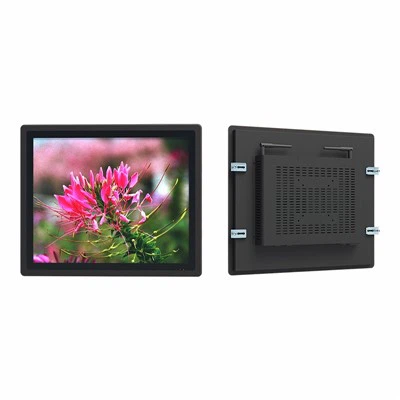
If you’re putting together an ITX build and need help picking the right ITX motherboard to pair with an SFX or SFX-L power supply, we’re here to help. We can walk you through compatibility checks, recommend parts based on your use case, and make sure your build goes off without a hitch. Whether you’re a first-time ITX builder or a seasoned pro, we’ve got your back. Reach out to our team to start your next project today.
All in One PC 23.8 Inch References:
PC Part Picker ITX Build Guide, 2024
ATX vs. SFX PSU Compatibility Review, Tom’s Hardware, 2023
SFX PSU Length and Case Compatibility, Linus Tech Tips, 2022
80+ Efficiency Ratings and Small Form Factor Builds, Hardware Canucks, 2024
Shenzhen HJS Technology Group
Shenzhen HJS Technology Group is one of the most experienced ITX motherboard manufacturers and suppliers in China, featured by quality products and good service. Please rest assured to buy CE approved ITX motherboard made in China here from our factory. For price consultation, contact us.
Address: F10, Wanhe Technology Building C, No. 7 HuiTong Road, Fenghuang Street, Guangming New District, Shenzhen. China.
E-mail: info@hjs-pc.com
WebSite: https://www.hjs-pc.com/
