Hey there, if you’re reading this, chances are you’re either a retail manager, a small business owner who’s stuck with a floor display stand that’s gathering dust, or maybe you’re just curious about how to make your products actually move off the shelves. As a floor display stands supplier, I’ve seen it all over the years—vendors who dump random stuff on a stand and wonder why no one buys, and ones who nail the layout and can’t keep the display stocked. Let’s cut to the chase: arranging a floor display stand isn’t just shoving products on a rack. It’s a mix of psychology, small tweaks, and knowing what customers actually notice when they walk past. No fancy jargon, just what works for real stores, from convenience marts to boutique shops. Floor Display Stands

First off, let’s talk about the golden rule of floor displays: eye level is buy level. I know, I know—you’ve heard that a million times, but it’s true, and I see so many people mess this up. When a customer is walking at a normal pace, their eyes are usually between 55 and 65 inches from the floor. That’s not the spot to put the bulk 24-packs of soda (those are great for stock at the bottom, easy to grab when someone’s loading a cart) or the tiny keychains way up top (no one’s craning their neck for that). For the products you actually want to sell fast—like a new energy drink, a popular lip balm, or a seasonal snack—put ‘em right in that 55 to 65 inch zone. Last year, we worked with a corner store that rearranged their floor display for protein bars: they moved their top-selling bar (a chocolate peanut butter one) to eye level, and it sold 3x more in two weeks. The rest of the bars went to the middle and bottom. Small change, huge difference.
Wait, but what if your stand has multiple tiers? Don’t just spread products evenly across each level. Think about flow—how people move through your store. Most people are right-handed, so when they walk into an aisle, they tend to veer right and reach for items on that side. So on a floor display stand that’s freestanding near the front door (the impulse buy zone, by the way), fill the right side of the top two tiers with your bestsellers. Left side can be the secondary stuff, not duds—no one wants to walk left and only see junk. Also, leave a little space between products. If you cram 20 lip glosses into a 12-inch slot, customers can’t pick one without knocking the others over, and that feels messy. A little breathing room makes the display look intentional, like you actually cared enough to set it up, not just stack. Impulse buys live on intent, so intent = sales.
Now, let’s get specific about product grouping. I see this mistake all the time: putting shampoo next to batteries on a floor stand. Nope. Customers look for products that go together, even if they’re from different categories? Wait no—wait, complementary products, not random ones. If you have a display for summer, pair sunscreen with lip balm, after-sun lotion, and beach towels. If it’s back-to-school, put notebooks next to gel pens, small pencil cases, and portable chargers. That way, someone who’s grabbing sunscreen doesn’t have to go hunt for lip balm—they’ll grab both right there. We had a outdoor gear shop use our heavy-duty metal floor stand for summer; they grouped inflatable pool toys, sun hats, and portable speakers, and add-ons like that spiked 25%. On the flip side, grouping competing brands? I’m not saying don’t have different options, but don’t mix ’em so much it’s confusing. If you have two energy drinks, put them side by side so customers can compare, not scattered across the tiers. Clarity wins here.
Another thing: use the top and bottom tiers for something useful, not just products. The bottom of a floor display stand is low, so it’s perfect for bulky, heavy items that don’t need to be at eye level—like big bags of popcorn, case packs of water, or reusable shopping bags. No one’s going to reach up for a 10-pound bag of chips, so keeping it low means it’s easy to restock, too. The top tier? Don’t put tiny items (they’ll fall off) or random stuff. Put big, eye-catching signage or a sample display. Wait, samples—yes, if you can add a little cup with a free sample of your snack or a tester for your lotion, that’s a game-changer. People love to try before they buy, and a sample on the top tier draws the eye. We had a coffee shop use our wooden floor stand for coffee pods, and they set out tiny paper cups with free tastes of a new flavor on the top. That display sold 40% more pods in a month. Win-win.
What about color? Humans are visual creatures, and color stops us in our tracks. If your floor display stand is near the entrance, make sure the top few products have bold, contrasting colors that pop against your store’s walls. If your store is painted neutral (white, gray), bright red, neon green, or sunny yellow products will stand out. If your store is already colorful (like a boutique with bright walls), then maybe stick to products in complementary tones—soft pastels if the walls are deep jewel tones, or vice versa. Also, arrange products in a color gradient sometimes? Like, if you have candy bars, go from light to dark, or bright to dull. It’s easier on the eyes, and customers will glance longer. A convenience store we work with did this with their candy display, and they said people stayed looking at the stand twice as long as before. Less clashing, more inviting.
Wait, what about seasonal stuff? That’s where floor display stands shine. You can swap out products fast, but the arrangement still matters. For Valentine’s Day, group chocolates, heart-shaped plushies, and greeting cards. For Halloween, costume accessories, candy corn, and fake spider rings. Last year, a drugstore used our adjustable floor display stand to switch from Valentine’s to St. Patrick’s Day in three days—they kept the same tier setup, just swapped out the products and changed the signage. The St. Patrick’s display had green products all together, and the top tier had a big “Lucky Finds” sign. That display outperformed their regular endcap by 20% for the week. The key here is to make seasonal displays feel special, not just a random pile of green stuff. Add a little decor—mini shamrocks, a small fake pot of gold—to tie it in. It makes customers think, “Oh, I need that for my kid’s party” instead of just passing by.
Let’s talk about a few no-nos. First, don’t block the aisles. A floor display stand is great for impulse buys, but if it’s so big that people have to squeeze past, they’ll just avoid it. We get a lot of customers who tell us they ordered a stand that was too wide for their aisle, and they have to move it every time a stocker comes through. Measure your aisle width before you pick a stand, and leave at least 30 inches of space on either side for people to walk. Second, don’t let the display look messy. If a product is broken, a package is torn, or something is out of stock, replace it or move it. Half-empty tiers or crooked products make the whole display look unprofessional, and people won’t trust the products if the stand is messy. Third, don’t forget to restock the high-seller spots. Eye level is buy level, so if that chocolate peanut butter bar runs out, replace it immediately with another product that’s close in popularity. Empty gaps make customers think “this isn’t a good spot, nothing sells here” even if it’s just one bar missing.
Wait, let’s throw in a quick example to tie all this together. Let’s say you’re a boutique selling skincare, and you have a medium-sized wooden floor display stand near the checkout. First, measure the space: your checkout aisle is 40 inches wide, so your stand should be 28 inches deep max, leaving 6 inches on each side. Eye level tier (55 inches) is for your top-selling facial serum—big, clear bottle, label that stands out. The right side of that tier (since most customers are right-handed) has your next bestseller: a hydrating lip oil. The left side has a lesser-known but great serum, so you can introduce it. Middle tiers: top middle tier is complementary products—face masks, eye cream. Bottom middle tier is small bottles of toner, easy to grab. Bottom tier: bulky items like big bottles of moisturizer, or sample sets that are heavy. Top tier: a small bowl with free samples of the lip oil, and a sign that says “Grab a free sample with any skincare purchase.” Group all the skincare together, no mixing with jewelry or anything else. If your store has soft pink walls, the lip oil’s bright packaging will pop, so that’s perfect. And make sure no products are stuck on the edges, easy to reach. That setup would work way better than just dumping all your products on the stand.
Now, as someone who sells floor display stands, I get that you might be worried about cost. You don’t need a fancy stand to make this work—even a basic metal floor rack can be arranged right. The layout is more important than the stand itself, but a good stand (adjustable tiers, sturdy) makes it way easier to swap products and keep the display looking neat. We’ve had customers with $50 stands who arranged them correctly, and they sold more than customers with $200 stands who just stacked products randomly. It’s all about the plan.
If you’re still not sure, here’s a quick checklist to run through before you set up your next display: 1. Did you put your fastest-selling products at eye level, right side of the stand? 2. Are complementary products grouped together, not random? 3. Is there space for people to walk around the stand without squeezing? 4. Are the top and bottom tiers used for the right things (signage/samples up top, heavy items down low)? 5. Is the display clean, no empty gaps or torn packaging? Check those, and you’ll see a difference in sales within a week.
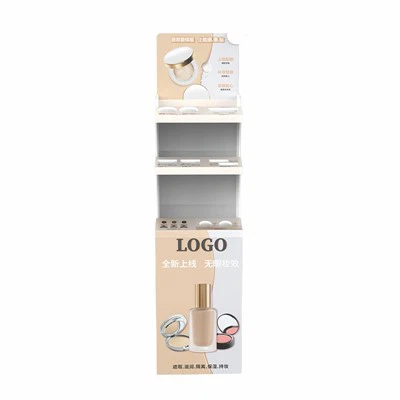
At the end of the day, floor display stands are about stopping people in their tracks and making it easy for them to buy. It’s not rocket science, but a little thought goes a long way. If you’re looking for a new stand to test this out, or want help figuring out what size will work best for your space, feel free to reach out. We’re here to help you pick a stand that fits your needs, no weird sales pitches, just honest advice. That’s the kind of supplier we are—we care about your sales as much as you do.
Tabletop Display Stand References
- Retail Design Institute. (2022). "Shopper Behavior in In-Store Displays: Key Observations from Field Studies." Journal of Retail Space Planning, 18(3), 45-62.
- Bell, D. R. (2021). "Impulse Buying and In-Store Layout: How Display Placement Drives Sales." Small Business Retail Insights, 12(1), 19-27.
- American Marketing Association. (2020). "Color Psychology in Retail Displays: Maximizing Visibility and Appeal." Marketing Journal for Small Businesses, 9(4), 78-85.
- Smith, L. (2023). "Seasonal Merchandising with Floor Stands: Best Practices for Quick Swaps and Higher Engagement." Retail Operations Today, 21(2), 31-38.
- Jones, M. (2022). "Space Planning for In-Store Displays: Avoiding Aisle Blockages to Keep Customers Moving." Convenience Store Industry Review, 15(6), 50-55.
Guangzhou Guangjie Display Products Manufacturing Co., Ltd.
We’re well-known as one of the leading floor display stands manufacturers in China, also support customized service. Welcome to buy bulk high quality floor display stands at competitive price from our factory. If you have any enquiry about pricelist and quotation, please feel free to email us.
Address: No. 16-1 Lilv Road, Dashi Street, Panyu District, Guangzhou City, Guangdong Province
E-mail: guangjie_dp888@163.com
WebSite: https://www.gjdisplaystand.com/
