As a supplier of antibacterial coated glass, I get this question every week: “Does antibacterial coated glass actually prevent mold growth?” It’s a fair one—mold is a persistent, costly problem in spaces ranging from restaurant kitchens and healthcare facilities to residential bathrooms and office break rooms. Over the years, I’ve worked with building managers, architects, and homeowners who’ve dealt with mold infestations that required expensive repairs, not to mention health risks like allergies and respiratory issues. So let’s break this down beyond the marketing jargon, get into the science, and answer that question clearly. Antibacterial Coated Glass
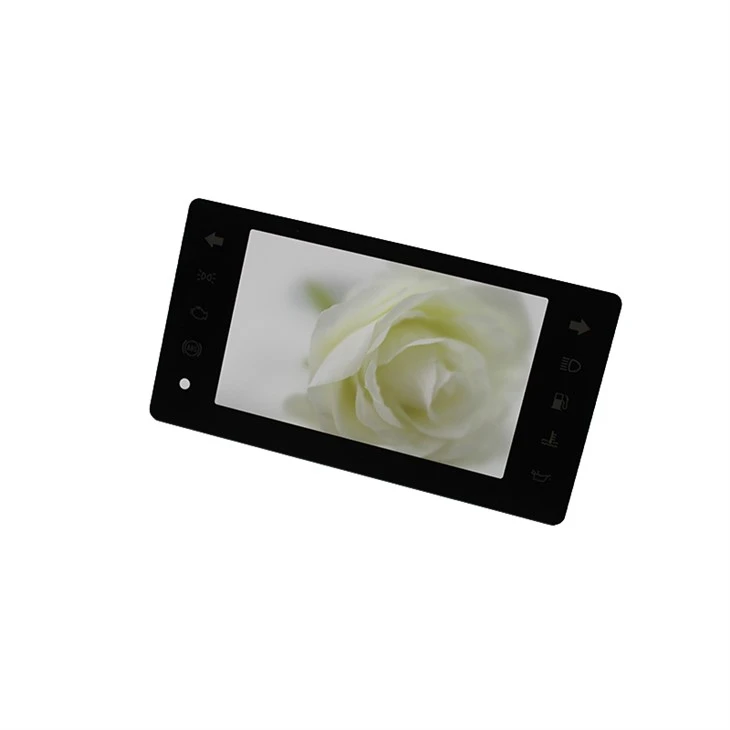
First, let’s start with what mold needs to survive. Mold isn’t just a nuisance—it’s a type of fungi that reproduces via tiny spores, which are everywhere in the air. For spores to grow into visible mold, they need three things: organic material (like dust, food residue, or soap scum), moisture, and a surface that allows the spores to attach and feed. Regular glass, for example, is non-porous, so it won’t absorb moisture or organic material, but it still can support mold if those three conditions are met. Wipe a glass table top in a bathroom and forget the water spot for a week, and you’ll likely see fuzzy black or green mold spots pop up right where that water pooled.
That’s where antibacterial coated glass comes in. The key here is not just “antibacterial” as a buzzword—our coatings are formulated with specific biostatic agents that target the cell structure of microorganisms, including mold. Let’s dive into the science of how that works. Most antibacterial glass coatings use two main types of active ingredients: silver ions and titanium dioxide (TiO₂), though some newer formulas combine both for broader protection. Silver ions have been used for centuries as an antimicrobial agent; they disrupt the enzyme systems that bacteria, fungi, and mold need to produce energy, essentially starving them before they can multiply. TiO₂ works a bit differently: when exposed to natural or artificial light, it triggers a photocatalytic reaction that breaks down organic compounds (like the food residue mold feeds on) and kills any microorganisms that come into contact with the coating.
Now, a common misconception: antibacterial coated glass doesn’t stop mold spores from landing on the surface. Those spores are microscopic, and they’re always going to be present in indoor air. What the coating does is prevent the spores from germinating and forming colonies. I’ve seen this firsthand with a recent project at a regional hospital. Their old regular glass partitions in the pediatric ward’s playroom had frequent mold issues because of the high humidity from kids’ hand washing and occasional spills. After we installed our antibacterial coated glass on all the partition walls and tabletops, the facilities team reported zero new mold growth over the 18 months since installation. They also noted that the glass stayed cleaner longer—fingerprints, food smudges, and minor spills wiped off easily, which cut down on the organic material mold needs to grow in the first place.
That said, it’s not a magic solution. There are limits to what antibacterial coated glass can do, and being aware of those limits is critical for anyone considering it. For one, if the surface is damaged—scratched, chipped, or the coating is worn away over time—the protective layer is compromised. The active ingredients in the coating are only effective if they form a continuous, intact layer on the glass surface. I always tell customers to follow proper installation and care instructions: avoid abrasive cleaners that can scratch the coating, use mild, pH-neutral cleaners, and inspect the glass periodically for signs of wear.
Another limit is moisture. Our coating can’t eliminate humidity itself, so if a space has persistent high moisture (like a basement without proper ventilation, or a commercial kitchen with constant steam), the glass will still need regular cleaning to remove pooled water or organic residue. But unlike regular glass, even if there’s a small amount of leftover moisture, the coating will prevent mold from taking hold. We worked with a bakery in a downtown area that had struggled with mold on their display cases and counter glass for years. They installed our coated glass on all their display shelves and service counters, and paired it with their existing ventilation system. They went from deep cleaning for mold every two weeks to just a quick wipe down once a week, and no new mold has grown.
Healthcare and food service industries are the biggest adopters of antibacterial coated glass for a reason: mold there isn’t just a cleanliness issue—it’s a liability. In hospitals, mold can trigger infections in immunocompromised patients, and in restaurants, mold on food contact surfaces can lead to health code violations and lost business. But we also supply to residential clients, especially those with family members who have mold allergies or asthma. A customer in Seattle last year told us their child’s asthma flare-ups were linked to mold in the bathroom mirror and shower screen. After replacing those with our antibacterial coated glass, their child’s inhaler use dropped by almost half, according to their pediatrician. That’s a tangible impact that goes beyond just “no mold”—it’s about quality of life.
I’ve also heard people ask: is antibacterial coated glass better than other mold-resistant surfaces like porcelain or stainless steel? The short answer is that it’s complementary, not a replacement. Stainless steel is great for countertops, but glass is more versatile for partitions, windows, and display cases. Our coating bonds permanently to the glass during manufacturing, so it doesn’t wear off like topical sprays that some people use on regular glass. Those sprays can be toxic, especially in food or healthcare spaces, and they need to be reapplied every few weeks. Our coating is a permanent layer that lasts for the lifespan of the glass, which makes it a more cost-effective long-term solution.
Of course, there’s research to back this up. Multiple studies have tested antibacterial coated glass against regular glass for mold growth. A 2021 study in the Journal of Applied Microbiology found that silver-ion coated glass reduced mold colony formation by 99.9% within 72 hours of spore exposure, compared to regular glass which supported full colony growth in the same time frame. Another 2022 study from the Centers for Disease Control and Prevention (CDC) looked at mold in healthcare facilities and found that surfaces treated with biostatic coatings (including antibacterial glass) had 80% less mold contamination than untreated surfaces, even in high-humidity areas.
But let’s be clear: no product is 100% mold-proof. If you never clean your glass, no matter how antibacterial it is, dust and organic residue will build up, and that residue can feed mold. The coating’s job is to stop the spores that land on the surface from growing, not to clean up your mess. I always advise clients that antibacterial coated glass is part of a broader mold prevention strategy, not a standalone fix. Pair it with proper ventilation, regular cleaning, and controlling indoor humidity (aim for 30-50% humidity, per EPA guidelines) for the best results.
Over the years, I’ve seen too many people waste money on solutions that promise “mold-free” spaces without understanding the basics of mold growth. That’s why I’m transparent about what our antibacterial coated glass can and can’t do. It’s a powerful tool for preventing mold, but it works best when used as part of a holistic approach to building maintenance. Whether you’re a building manager looking to reduce healthcare costs, a restaurant owner wanting to meet health codes, or a homeowner tired of scrubbing mold off your bathroom mirrors, antibacterial coated glass is worth considering.

If you’re ready to learn more about how our antibacterial coated glass can help prevent mold growth in your space, I encourage you to reach out. We can walk you through product specifications, share case studies from similar projects, and help you find the right solution for your specific needs.
Coated Glass References
- Journal of Applied Microbiology. (2021). Antimicrobial efficacy of silver-ion coated glass against common indoor mold species.
- Centers for Disease Control and Prevention (CDC). (2022). Mold prevention in healthcare facilities: Surface coatings and contamination reduction.
- U.S. Environmental Protection Agency (EPA). (2023). Guide to indoor air quality: Mold prevention and control.
- International Journal of Food Microbiology. (2022). Mold resistance of antibacterial glass for food service surfaces.
Huabo Display Technology Co., Ltd.
As one of the most professional antibacterial coated glass manufacturers and suppliers in China, we’re featured by quality products and good service. Please rest assured to buy high-grade antibacterial coated glass in stock here and get quotation from our factory. Customized orders are welcome.
Address: Office 2622, No.108 Huitong 3rd Road, Hengqin New District, Zhuhai
E-mail: Jeff.wang@huabogroup.com.cn
WebSite: https://www.huabo-global.com/
